Menu
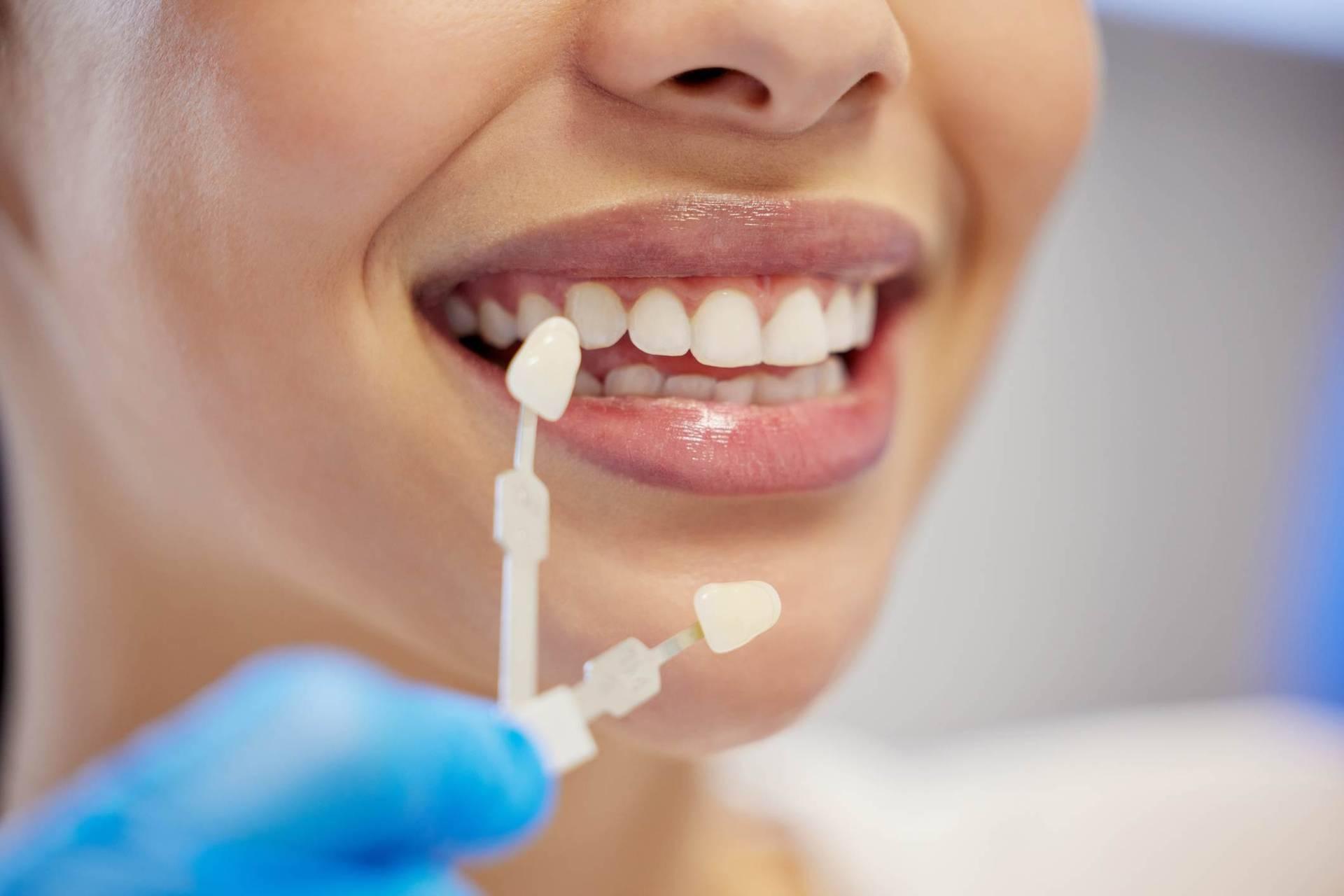
For many patients, choosing veneers in San Francisco is an investment in confidence. A well-designed veneer smile should look natural, feel comfortable, and fit your face beautifully. But even though porcelain veneers are strong and long-lasting, they still need proper care.
Veneers are durable, but they are not indestructible. Everyday habits can affect how long they last, how natural they look, and how well they protect the teeth underneath. The good news is that most veneer problems can be prevented with simple daily habits and regular dental care.
Dr. Olivia Moran, DDS provides custom porcelain veneers in San Francisco with a focus on natural-looking results, smile balance, and long-term oral health. If you already have veneers or are considering treatment, knowing what to avoid can help you protect your new smile for years.
Porcelain veneers are thin, custom-made shells that are bonded to the front surface of the teeth. They are designed to look like natural enamel and can resist stains better than natural teeth. However, the natural tooth underneath still needs to stay healthy.
Good veneer care helps protect:
• The porcelain surface
• The bonding material
• The natural tooth underneath
• The gum tissue around the veneer
• The shape and brightness of your smile
• The overall lifespan of your veneers
Poor habits can lead to chips, cracks, loose veneers, gum inflammation, tooth decay around the edges, and unexpected replacement costs.
Veneers can last many years with the right care, but they perform best when patients treat them like a long-term investment.
One of the most common mistakes people make after getting veneers is using their teeth to open packages, tear tags, hold objects, bite fishing line, or remove bottle caps.
Your veneers are designed for smiling and chewing food, not for twisting, pulling, or applying sideways force. Even natural teeth can chip from these habits, and veneers can be damaged too.
Using your teeth as tools can cause:
• Small chips
• Cracks in the porcelain
• Bonding problems
• Loosened veneers
• Damage to natural teeth
A simple rule is to use tools for objects and teeth for food. Keep scissors nearby, open packages carefully, and avoid putting unnecessary pressure on your veneers.
Nail biting may seem harmless, but it can place repeated stress on the edges of veneers. Over time, this can weaken the bonding material or create small fractures in the porcelain.
Nail biting may also increase bacteria in the mouth and contribute to jaw tension. If this habit is difficult to stop, try replacing it with another stress-management habit, such as using a stress ball, keeping nails trimmed, or using a bitter nail treatment.
Protecting veneers often starts with becoming more aware of small daily habits.
Some patients think veneers do not need much care because porcelain cannot get cavities. While the veneer itself cannot decay, the tooth underneath can still develop cavities.
Plaque can collect along the edges of veneers, especially near the gumline. If plaque is not removed, it can increase the risk of gum inflammation, decay, bad breath, and veneer failure.
To protect your smile:
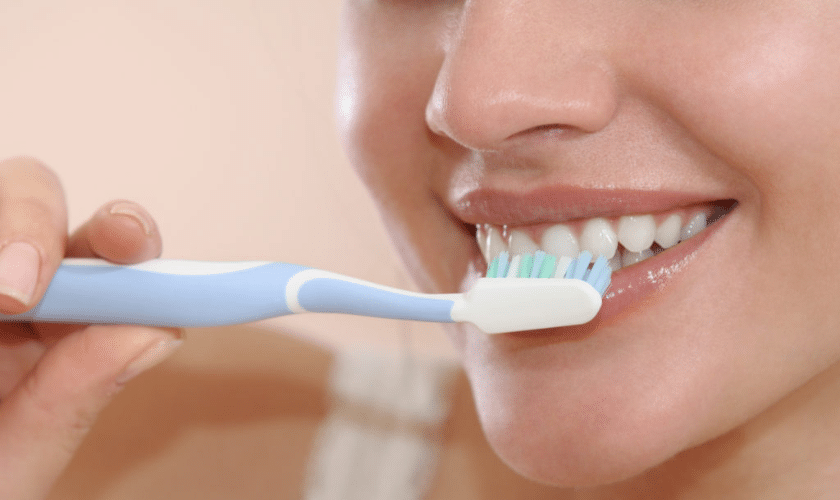
• Brush twice daily
• Floss every day
• Use a soft-bristled toothbrush
• Choose a non-abrasive fluoride toothpaste
• Clean carefully around the gumline
• Keep regular dental cleanings
Healthy gums are just as important as beautiful veneers. A clean, healthy foundation helps veneers look better and last longer.
Routine dental visits are one of the easiest ways to protect veneers. Even if your smile looks and feels fine, your dentist can check details that are hard to see at home.
During visits, Dr. Olivia Moran can evaluate:
• Veneer condition
• Gum health
• Bite alignment
• Bonding strength
• Tooth health under and around the veneers
• Signs of grinding or wear
• Small chips or rough edges
Professional cleanings also remove plaque and tartar that brushing and flossing cannot fully remove at home.
Preventive care helps catch small concerns before they become larger, more expensive problems.
Teeth grinding and clenching can place heavy pressure on veneers. Many people grind their teeth at night and do not realize it until they notice jaw soreness, headaches, worn teeth, or chipped dental work.
Signs of grinding may include:
• Morning jaw pain
• Headaches
• Tooth sensitivity
• Flattened teeth
• Chipped restorations
• Tight facial muscles
• Soreness when chewing
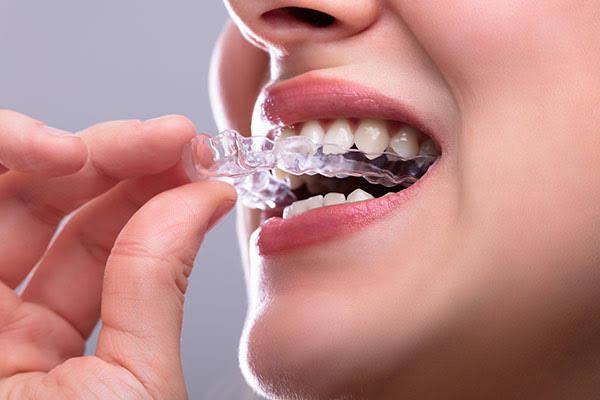
If you grind or clench, a custom night guard may be recommended. A night guard helps protect your veneers and natural teeth while you sleep.
This is especially important because veneers are carefully designed for appearance and function. Excessive bite force can shorten their lifespan.
Porcelain veneers are strong, but hard objects can still damage them. Chewing ice, hard candy, popcorn kernels, pens, or fingernails can create unnecessary stress.
It is also best to avoid biting directly into very hard foods with front veneers. When possible, cut firm foods into smaller pieces and chew with your back teeth.
Be careful with:
• Ice
• Hard candy
• Popcorn kernels
• Hard nuts
• Bones
• Pens or pencils
• Very crusty foods
Small changes in eating habits can help protect your veneers from chips and cracks.
Not every toothpaste is ideal for veneers. Some whitening toothpastes can be too abrasive. Over time, abrasive products may dull the polished surface of porcelain or irritate the gumline.
A non-abrasive fluoride toothpaste is usually a better option. It helps protect the natural teeth around your veneers while keeping your smile clean.
Before using whitening strips, abrasive toothpaste, charcoal products, or strong at-home whitening products, ask your dentist if they are safe for your smile.
A small chip, rough edge, loose veneer, or change in your bite may not seem urgent, but it should be checked. Small problems are often easier to repair when they are addressed early.
Call your dentist if you notice:
• A chipped veneer
• A rough or sharp edge
• A veneer that feels loose
• New sensitivity
• Gum irritation
• A change in your bite
• Food catching around a veneer
• A veneer that looks different
Delaying care can allow the problem to become worse. Early treatment may help preserve the veneer and protect the tooth underneath.
Porcelain veneers resist stains better than natural teeth, but the surrounding natural teeth can still darken over time. This may create a color difference between veneers and untreated teeth.
Coffee, tea, red wine, dark soda, berries, and tomato-based sauces can all contribute to staining on natural enamel.
To reduce discoloration:
• Drink water after coffee or tea
• Use a straw when appropriate
• Brush and floss daily
• Keep regular professional cleanings
• Avoid frequent sipping of dark beverages throughout the day
If you are planning to whiten your teeth, it is usually best to discuss timing before veneers are placed. Veneers do not whiten like natural teeth, so shade planning is important.
Smoking can affect the appearance and health of your smile. Tobacco may stain natural teeth, irritate gum tissue, increase the risk of gum disease, and contribute to bad breath.
Gum recession can also make veneer edges more visible over time. This can affect how natural your smile looks.
Avoiding tobacco supports both the beauty of your veneers and your long-term oral health.
Veneers can improve the look of your smile, but they do not make your teeth immune to dental problems. You can still develop cavities, gum disease, bite issues, tooth sensitivity, or wear.
Veneer care should include both cosmetic maintenance and oral health maintenance.
That means caring for your veneers, your natural teeth, and your gums as one complete smile.
Keeping veneers beautiful does not require a complicated routine. The most effective habits are simple and consistent.
To help your veneers last:
• Brush twice a day
• Floss every day
• Use a soft toothbrush
• Choose non-abrasive toothpaste
• Avoid chewing hard objects
• Do not use your teeth as tools
• Wear a night guard if recommended
• Avoid smoking
• Keep regular dental exams
• Call your dentist if something feels off
Small daily habits can make a big difference in how long your veneers last and how healthy your smile stays.
Porcelain veneers can often last 10 to 15 years or longer with proper care. Some patients enjoy their veneers for even longer, depending on oral hygiene, bite forces, diet, lifestyle habits, and regular professional maintenance.
Several factors can affect veneer lifespan, including:
• Teeth grinding
• Gum health
• Oral hygiene
• Diet
• Smoking
• Bite alignment
• Dental checkup consistency
• Quality of veneer planning and placement
The better you care for your veneers and natural teeth, the longer your smile is likely to stay attractive and healthy.
You should schedule a dental visit if a veneer feels loose, looks chipped, causes sensitivity, or no longer feels comfortable when you bite.
Even if the issue seems small, it is better to have it checked early. A quick adjustment or repair may prevent a larger problem later.
You should also call if you notice gum swelling, bleeding, food trapping, or a change in how your teeth come together.
Porcelain veneers require both technical skill and artistic planning. The best results do not look fake or overdone. They look natural, balanced, and customized to the patient.
Dr. Olivia Moran, DDS provides porcelain veneers in San Francisco with attention to tooth shape, shade, smile balance, bite comfort, gum health, and long-term care. Her approach focuses on creating a smile that looks polished while still feeling like you.
Whether you are considering veneers or want guidance on caring for your existing veneers, Dr. Olivia Moran can help you protect your smile and maintain your results.
Porcelain veneers can create a brighter, more confident smile, but they still need daily care. Avoiding common mistakes, such as using your teeth as tools, chewing hard objects, skipping dental visits, ignoring grinding, or neglecting oral hygiene, can help your veneers last longer.
With the right habits and regular professional care, your veneers can continue to look natural, healthy, and beautiful for years.
If you are considering veneers in San Francisco or want help maintaining your current veneers, call (415) 404-6644 to schedule a consultation with Dr. Olivia Moran, DDS.
.jpg)

Dr. Olivia Moran was born in the Philippines and raised across Sri Lanka, Indonesia, Singapore, and Canada before making San Francisco her home. She knew she wanted to become a dentist at just 12 years old and later earned her Doctorate in Dental Surgery from the Arthur A. Dugoni School of Dentistry. One year after graduating, she took a leap of faith and opened her practice during the height of the pandemic.
Since the beginning of her career, Dr. Moran focuses on cosmetic and comprehensive dentistry, including porcelain veneers, smile makeovers, and full-mouth rehabilitations. She has completed thousands of hours of continuing education to keep perfecting her craft and is known for her kindness toward each patient, meticulous attention to detail, and ability to create natural, beautiful smiles that feel personal to each person.
Her international upbringing shaped the way she connects with people, and building real relationships with her patients is one of the parts of dentistry she loves most.