Menu
.png)
A veneer is like giving a wall a fresh coat of paint, while a crown is like rebuilding the wall itself. One is a cosmetic facade designed to improve appearance; the other is a structural helmet meant to restore a tooth’s strength and function. Grasping this core difference is key to exploring your cosmetic dentistry options and starting the right conversation with your dentist.
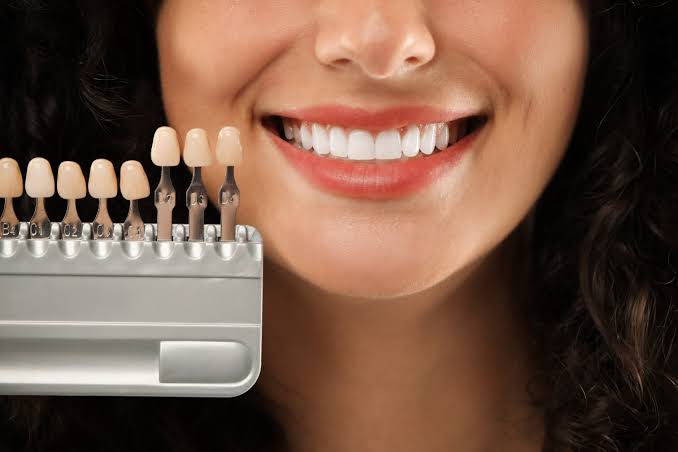
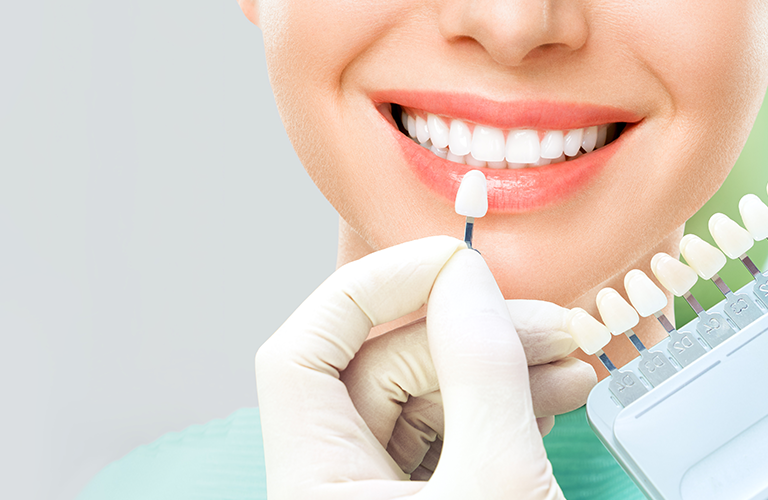
Ever wonder how some smiles look so perfectly uniform and bright? The secret is often a dental veneer. Think of it as a custom-made, wafer-thin shell that attaches only to the front of your tooth, much like a contact lens for your eye or a new facade on a building. It's designed to cover just the part of the tooth that people see when you smile.
Because it only covers the visible surface, a veneer’s job is almost purely cosmetic. It’s an ideal solution for masking stubborn stains that whitening can’t fix, repairing minor chips or cracks, or closing small gaps to create a more even appearance without needing braces.
These delicate shells are typically crafted from either porcelain or a tooth-colored resin called composite. Porcelain is highly valued for its durability and natural, light-reflecting appearance, making it a popular choice.
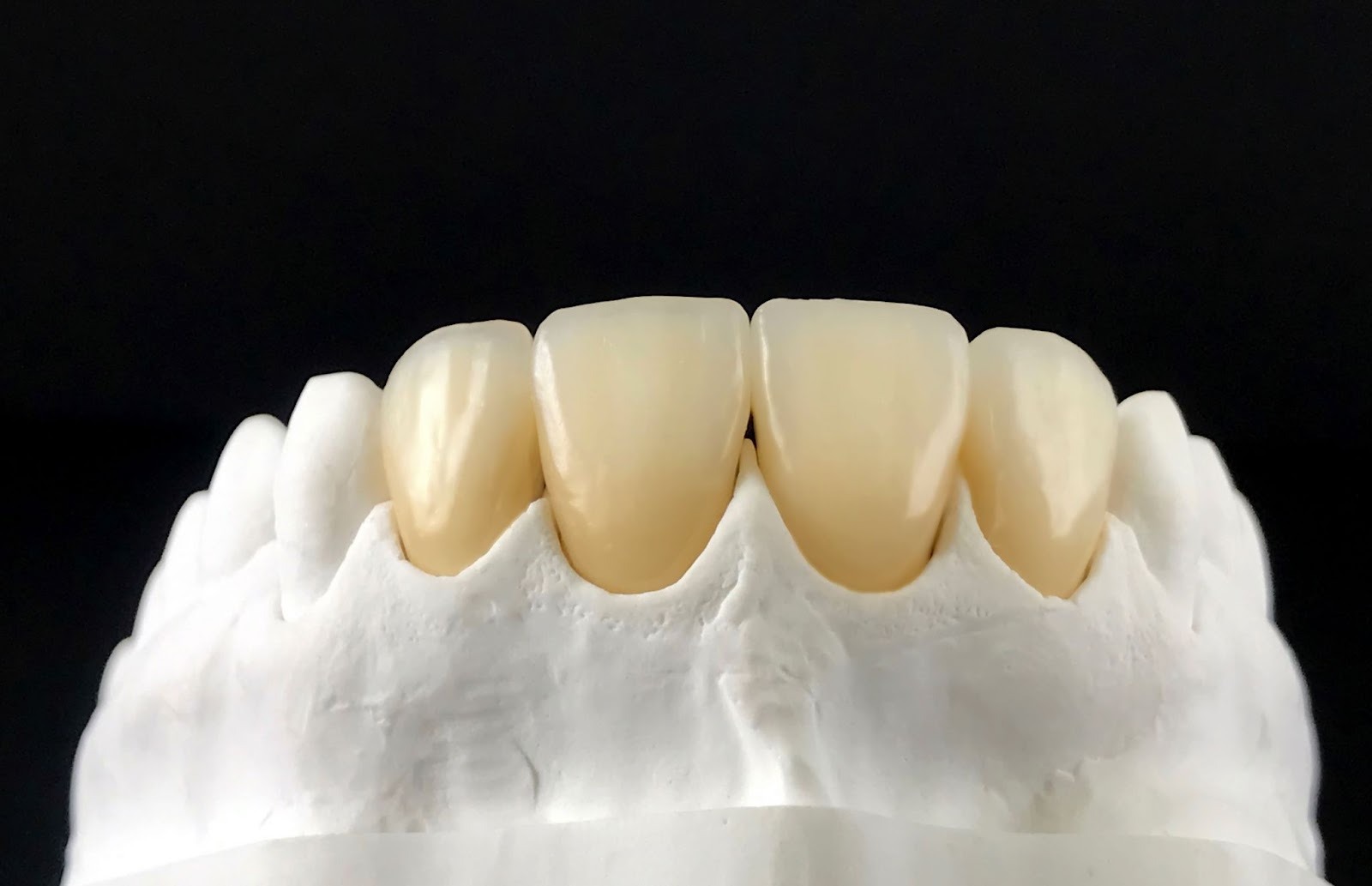
While a veneer acts as a new front, a dental crown is more like a custom-fitted helmet for your tooth. Unlike a veneer, which only bonds to the visible surface, a full coverage crown is a cap that encases the entire tooth—360 degrees, right down to the gum line.
The primary purpose of a crown isn't just cosmetic; it's about restoring a tooth's structural integrity. Its job is to bring back strength and provide protection from further damage. This is why a crown is necessary when a tooth is badly broken, weakened by a very large filling, or becomes brittle after a root canal treatment.
By encasing the weakened tooth, the crown becomes its new, durable outer shell. It restores function, allowing you to chew and smile with confidence, saving the tooth for the long term.
The simple answer for when to choose veneers is cosmetics. If your tooth is fundamentally healthy but has a superficial flaw you want to correct, a veneer is almost always the preferred choice. It’s a tool for enhancing appearance, not for rebuilding a broken-down tooth.
Veneers are masters of disguise for several common issues on front teeth, including:
For those small gaps or slightly misaligned teeth, veneers can work like “instant orthodontics.” Instead of waiting months for braces, your dentist can use veneers to create a dramatically straighter and more uniform smile in just a couple of appointments.
Unlike veneers, which are chosen for cosmetic upgrades, a crown becomes the necessary choice when a tooth's strength is seriously compromised. It’s no longer just about looks; it’s about saving the tooth from breaking.
Your dentist will recommend this protective “helmet” when a tooth is too weak to survive on its own. The most common scenarios include:
In these situations, the goal is purely structural. The crown restores the tooth’s strength, allowing you to chew confidently without worrying that the tooth might shatter.
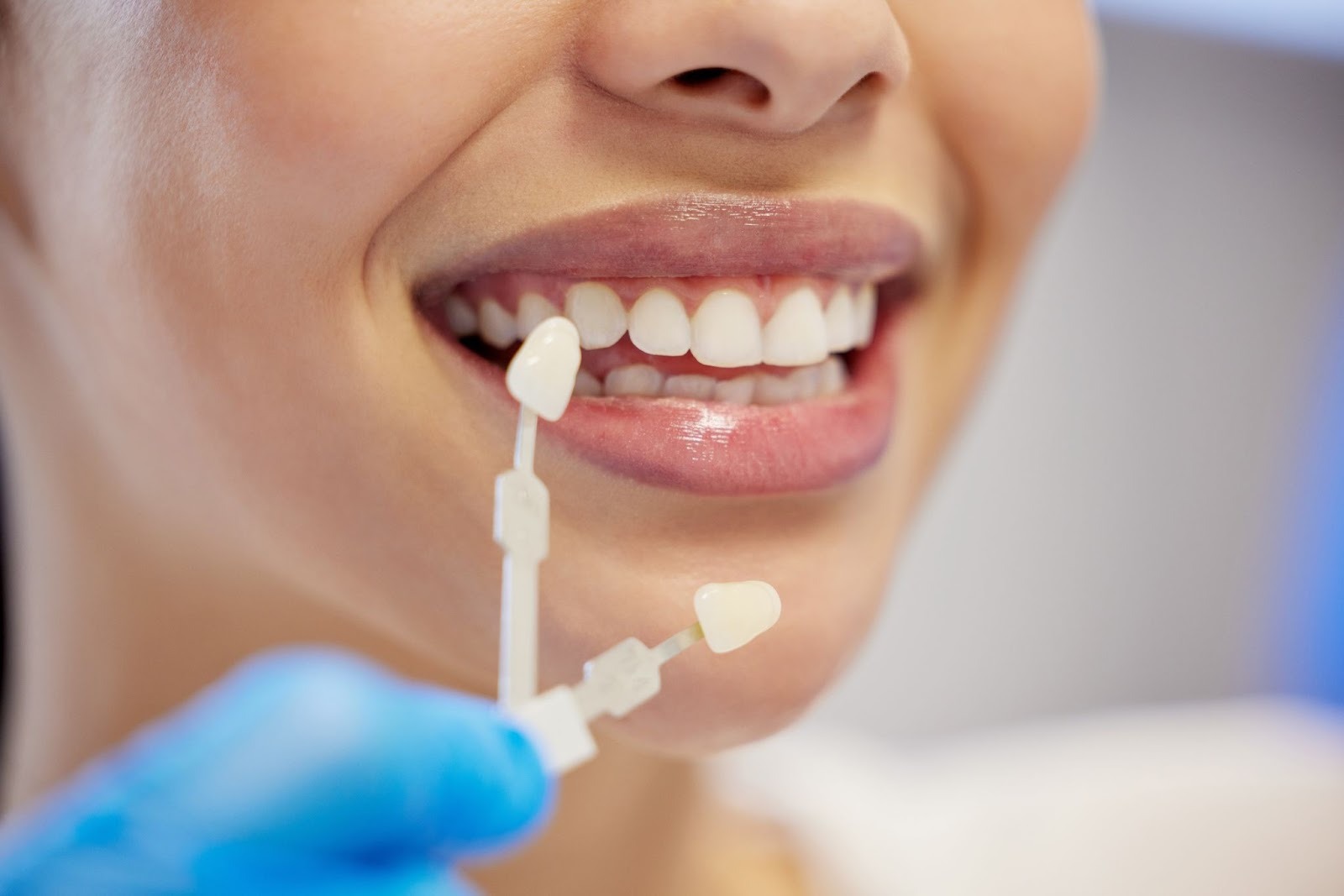
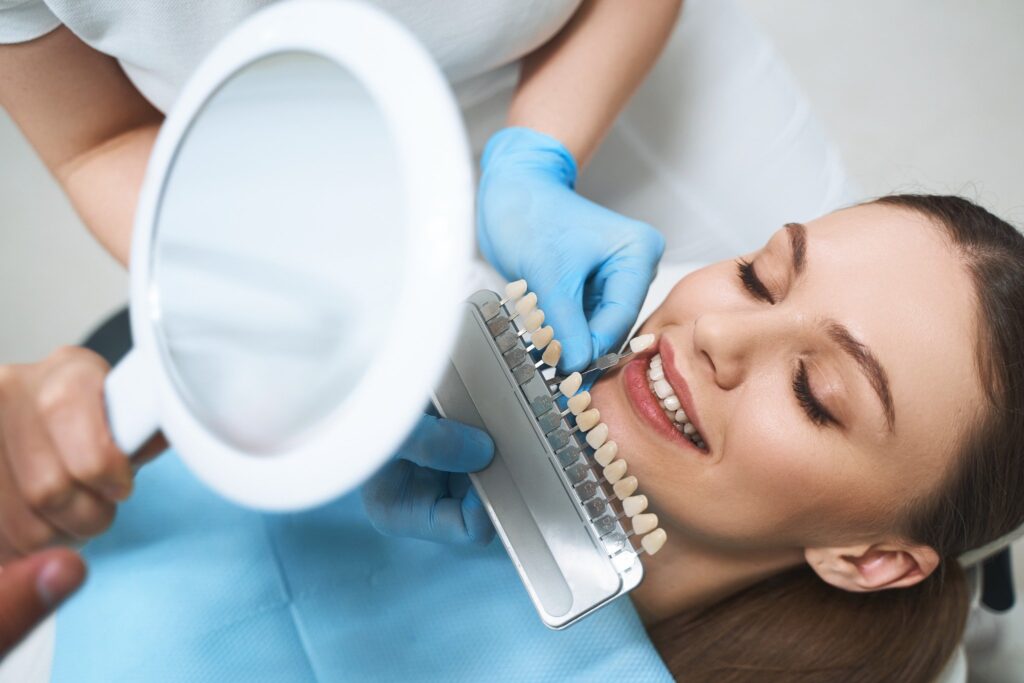
The biggest difference between the two procedures happens before the final restoration is placed. For a veneer, the preparation is minimal. Your dentist removes a paper-thin layer of enamel—often less than a millimeter—from the front surface of the tooth only. This creates just enough space for the veneer to sit flush and look natural.
Preparing for a crown, however, is a much more involved process. Because a crown acts as a protective helmet for the entire tooth, your dentist must carefully reshape it on all sides. This "tooth reduction" creates a smaller, uniform base for the crown to slide over and bond to, which is what ultimately gives a weak or broken tooth its strength back.
Despite the different preparations, the overall timeline is often the same. Both veneers and crowns typically require two visits: one to prepare the tooth and place a temporary, and a second to permanently bond your custom-crafted, final restoration.
A crown is generally more expensive than a veneer per tooth. This cost reflects the greater amount of high-strength material and complex lab work needed to create a full protective "helmet," compared to the simpler, thinner facing of a veneer.
In terms of longevity, crowns often last longer—typically 15-25 years—as they are built for functional strength. Veneers have an excellent lifespan of 10-15 years, focused more on aesthetics. Of course, proper aftercare for both is the key to reaching or exceeding these estimates.
Ultimately, the best long-term value isn’t about the initial price tag, but choosing the right tool for the job. A veneer can’t fix a structurally weak tooth, making it a poor investment for that problem. The smartest choice is always the one that correctly solves your specific dental issue for years to come.
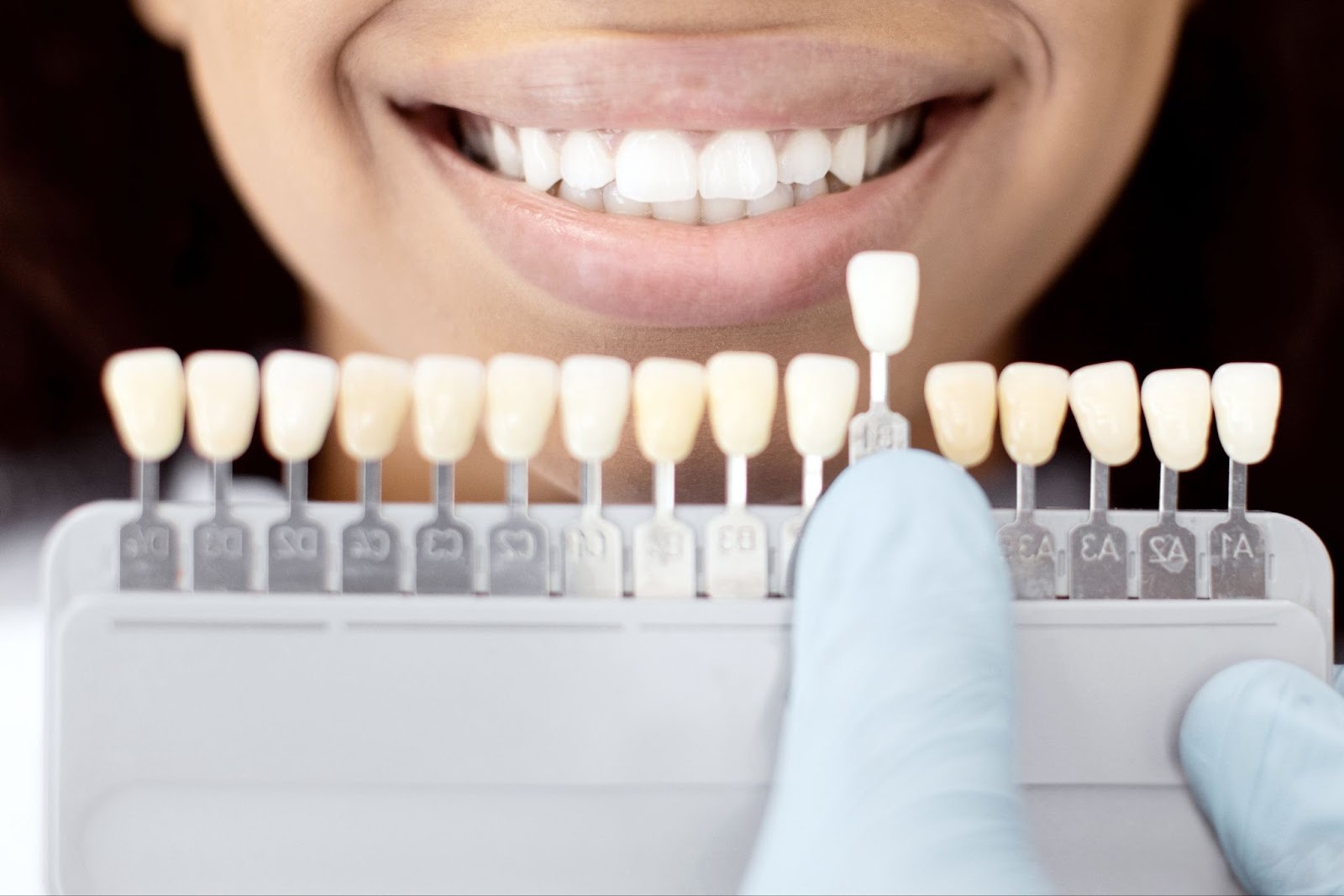
To keep the choice clear, use this simple checklist during your dental consultation:
Armed with this clarity, your next visit to the dentist is transformed. Instead of trying to decipher confusing terms, you can have a confident conversation about your goals. You are now an informed partner in deciding on the best path to a healthy, confident smile.
.jpg)

Dr. Olivia Moran was born in the Philippines and raised across Sri Lanka, Indonesia, Singapore, and Canada before making San Francisco her home. She knew she wanted to become a dentist at just 12 years old and later earned her Doctorate in Dental Surgery from the Arthur A. Dugoni School of Dentistry. One year after graduating, she took a leap of faith and opened her practice during the height of the pandemic.
Since the beginning of her career, Dr. Moran focuses on cosmetic and comprehensive dentistry, including porcelain veneers, smile makeovers, and full-mouth rehabilitations. She has completed thousands of hours of continuing education to keep perfecting her craft and is known for her kindness toward each patient, meticulous attention to detail, and ability to create natural, beautiful smiles that feel personal to each person.
Her international upbringing shaped the way she connects with people, and building real relationships with her patients is one of the parts of dentistry she loves most.