Menu
If you've been thinking about improving your smile but aren't sure where to start or what you'd even be signing up for, this article is meant to answer those questions plainly and honestly. No jargon, no pressure — just a clear picture of what a smile makeover is, how it works, and how to know if it's the right step for you.,
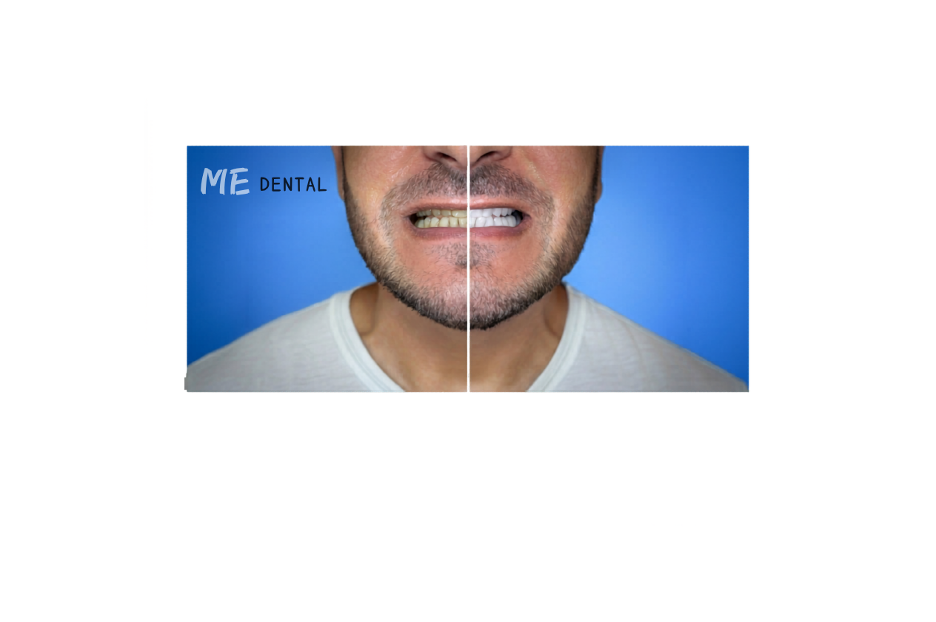
A smile makeover is a personalized treatment plan that combines two or more cosmetic dental procedures to address the concerns a patient has about their smile. The defining feature is not a specific list of treatments. It is the holistic, whole-smile approach used to design the final result.
Unlike getting a single veneer on a chipped tooth or completing one round of whitening, a smile makeover looks at the full picture: the color, shape, and size of your teeth, the symmetry of your gum line, the alignment of your bite, and how everything works together when you smile.
The goal is a result that looks natural, balanced, and genuinely like you, just the best version of your smile.
Olivia Moran, DDS designs every smile makeover personally. She takes into account each patient’s facial features, skin tone, personality, and the specific concerns they bring to the consultation. No two plans are the same, because no two smiles are.
A smile makeover can draw from the full range of cosmetic and restorative dentistry, depending on what a particular patient needs. The most common treatments involved are porcelain veneers, which address color, shape, chips, gaps, and minor asymmetry all at once. Teeth whitening is often used to brighten the overall smile before or alongside otherwork. Invisalign comes into play when the teeth need to be repositioned beforec osmetic treatments are layered on top. A gum lift — the reshaping of the gum line— is included when the proportions of the teeth are being affected by excess or uneven gum tissue. Dental crowns step in for teeth that are too damaged for aveneer alone, and implants address any missing teeth that need to be replaced as part of the overall plan.
Not every patient needs all of these. A smile makeover for one person might be veneers and whitening across two appointments. For another, it might be Invisalign over twelve months followedby veneers. The plan is always built around what will actually make a meaningful difference for that specific set of teeth and that specific set ofgoals.
→View all cosmetic treatments at ME Dental
One of the most common misconceptions about smile makeovers is that they're only for people with dramatic dental problems. In reality, many of Dr. Moran's smile makeover patients have teeth that look perfectly fine to everyone else — but have always bothered them in ways they can't stop noticing. A tooth that's slightly shorter than the rest. A shade of yellow that whitening never quite fixed. A gum line that dips on one side. Small things that add up.
Good candidates for a smile makeover are people who are unhappy with some aspect of their smile and are ready to do something about it — whether that's one concern or several. The main clinical requirement is that any existing oral health issues, like cavities or gum disease, are addressed before cosmetic work begins. Cosmetic dentistry is always built on a healthy foundation.
If you're not sure whether your concerns are significant enough to warrant a full smile makeover versus a single targeted treatment, the best answer is a consultation. Dr. Moran will give you an honest assessment of what will actually make a visible difference and what the most efficient path to that result looks like.
The smile makeover journey with Olivia Moran, DDS begins with a comprehensive consultation. This is where Dr. Moran examines your teeth, takes photos, listens to everything you like and dislike about your smile, and begins to understand the outcome you are hoping for. There is no commitment required at this stage. It is simply a conversation.
From there, Dr. Moran builds a personalized treatment plan. This includes which procedures she recommends, in what order, and why, along with a written cost estimate you can review at your own pace. If you decide to move forward, any underlying oral health issues are addressed first. After that, the cosmetic phase begins, with procedures sequenced so each one supports the next for the best possible result.
For many patients, the most exciting appointment is the final reveal. This is the point where everything is placed and you see the completed smile for the first time. Dr. Moran reviews symmetry, fit, color, and bite carefully before you leave the chair, and minor adjustments can be made on the spot if anything needs refining.
After treatment, you will receive detailed guidance on how to care for your new smile and a follow-up schedule to make sure everything is settling the way it should. A well-done smile makeover is a long-term investment, and Dr. Moran treats the aftercare the same way she treats the work itself, with care and attention to detail.
→ View real smile transformations in the MEDental Smile Gallery
The timeline varies considerably based on what the treatment plan includes. A straightforward makeover involving veneers and whitening can be completed in three to four weeks. A more comprehensive plan that starts with Invisalign and finishes with veneers might take twelve to eighteen months from start to finish. During your consultation, Dr. Moran will give you a realistic timeline based on your specific plan so you know what to expect at every stage.
In terms of longevity, the results of a smile makeover are designed to last. Porcelain veneers typically hold up for ten to twenty years with proper care. Gum lift results are permanent — gum tissue doesn't grow back. Invisalign results last as long as you wear your retainer consistently. The overall investment is built to be a lasting one.
Q: Is a smile make over only cosmetic, or does it also improve my oral health?
A: It depends on the treatments involved.Some cosmetic procedures — like straightening teeth with Invisalign or replacing a missing tooth with an implant — have real functional and health benefits alongside the aesthetic ones. Veneers and whitening are primarily cosmetic. Either way, because any oral health issues have to be resolved before cosmetic work begins, patients often come out of a smile makeover with both a better-looking and a healthier mouth than when they started.
Q: Do I have to get veneers? Can a smile makeover just be whitening and Invisalign?
A: Absolutely. A smile makeover is defined by the personalized, whole-smile approach — not by any specific set of treatments. If whitening and Invisalign are what will genuinely address your concerns, that's a perfectly valid smile makeover plan. Dr. Moran will never recommend a procedure you don't actually need. The goal is always the most direct path to the result you're looking for.
Q: What if I only want to fix one or two things — is that still a smile makeover?
A: It can be. The line between a single targeted procedure and a smile makeover is fuzzy, and the label matters less than the outcome. What Dr. Moran focuses on is understanding the full picture of what you want and making sure the plan addresses it properly. Sometimes that's one treatment. Sometimes it's four. The approach is always the same:comprehensive assessment, honest recommendation, personalized plan.
Q: How do I know what I actually need before the consultation?
A: You don't have to know — that's exactly what the consultation is for. The most useful thing you can do beforehand is spend some time thinking about what specifically bothers you about your smile. Is it the color? A particular tooth? The way your gum line looks? The more specifically you can describe what you'd like to change, the more productive the consultation will be. But even if you just come in saying'I've never liked my smile,' that's enough to start.
Q: Can a smile make over in stages if I can't do everything at once?
A: Yes, and this is actually quite common. Dr. Moran can build a treatment plan that prioritizes the most impactful procedures first and stages the rest over a longer timeline that fits your schedule and budget. Phasing the work thoughtfully — rather than rush in git — also tends to produce better results, since each stage can be evaluated before the next begins.
Q: What's the difference between a smile makeover and a full mouth reconstruction?
A: A smile makeover is primarily driven by cosmetic goals — the desire to improve how your smile looks. A full mouth reconstruction is driven by functional or health needs — significant decay, missing teeth, jaw problems, or bite issues that affect how you eat and speak.In practice, the two can overlap significantly, and some patients need elements of both. Dr. Moran will clarify which category your situation falls into during the consultation and explain the implications for treatment sequencing and cost.
A smile makeover is not a single procedure or a one-size-fits-all solution. It is a personalized plan, built around your specific teeth and your specific goals, that coordinates the right combination of treatments to produce a result that looks natural, lasts long, and genuinely reflects the smile you've always wanted.
If you've been thinking about this for a while and haven't taken the next step, a consultation is the lowest-stakes way to start. You'll come away with a clear picture of what's possible, what it would involve, and whether it feels right for you — with no obligation to proceed until you're ready.
→ Book your smile consultation at ME Dental San Francisco
For additional reading from trusted dental and health organizations:
1. American Academy of Cosmetic Dentistry (AACD): Smile Makeovers
The AACD is the world's largest non profit organization dedicated to cosmetic dentistry education and professional standards. Their patient-facing resources cover the full scope of smile makeover procedures and offer practical guidance on what to look for in a cosmetic dentist. A valuable first stop for anyone beginning to research their options.
2. American Dental Association (ADA): Cosmetic Dentistry Overview
The ADA provides an evidence-based overview of cosmetic dental procedures written for a general patient audience. Their resource covers the range of treatments that fall under cosmetic dentistry, candidacy considerations, and how to evaluate whether a particular procedure is appropriate for your situation. Clinically grounded and regularly updated.
3. WebMD: Dental Veneers — Procedure, Cost, and More
Since porcelain veneers are the most commonly included treatment in a smile makeover, WebMD's patient-friendly guide on veneers is a useful companion read. It covers the preparation process, what recovery looks like, how to care for veneers over time, and what alternatives exist — written in clear, accessible language for patients exploring their options.
.jpg)

Dr. Olivia Moran was born in the Philippines and raised across Sri Lanka, Indonesia, Singapore, and Canada before making San Francisco her home. She knew she wanted to become a dentist at just 12 years old and later earned her Doctorate in Dental Surgery from the Arthur A. Dugoni School of Dentistry. One year after graduating, she took a leap of faith and opened her practice during the height of the pandemic.
Since the beginning of her career, Dr. Moran focuses on cosmetic and comprehensive dentistry, including porcelain veneers, smile makeovers, and full-mouth rehabilitations. She has completed thousands of hours of continuing education to keep perfecting her craft and is known for her kindness toward each patient, meticulous attention to detail, and ability to create natural, beautiful smiles that feel personal to each person.
Her international upbringing shaped the way she connects with people, and building real relationships with her patients is one of the parts of dentistry she loves most.