Menu
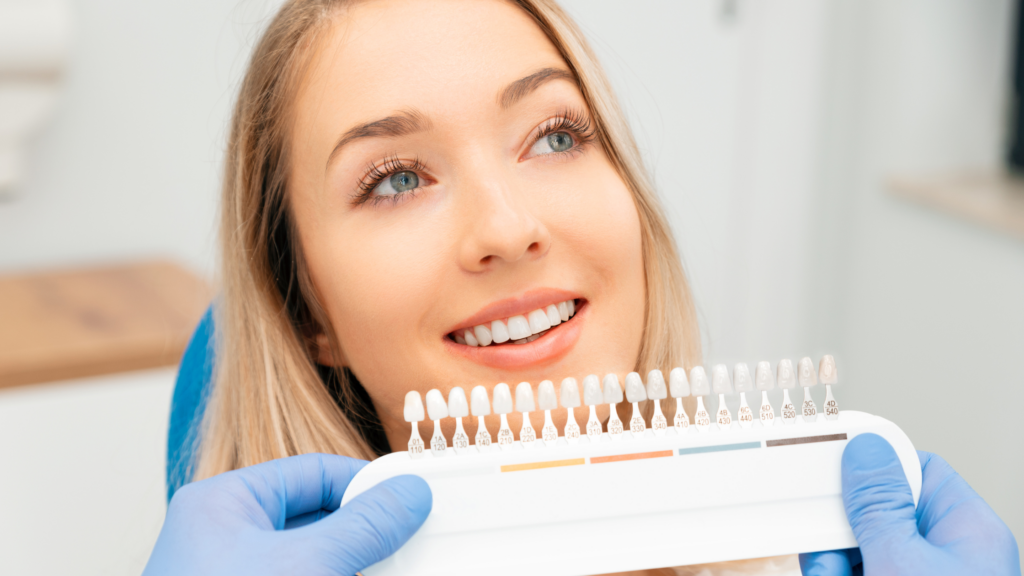
Dental veneers are one of the most popular cosmetic dentistry treatments for patients who want a brighter, more balanced smile. They can improve the color, shape, size, length, and overall appearance of teeth, often with a natural-looking result.
But even though veneers are well known, they are also surrounded by a lot of confusion. Some people worry that veneers will look fake. Others think veneers require major tooth reduction, painful treatment, or special maintenance. These concerns are understandable, but many of them are based on outdated information or common myths.
Dr. Olivia Moran, DDS provides custom dental veneers in San Francisco for patients who want to improve their smile with thoughtful, natural-looking cosmetic care. If you are considering veneers, understanding the facts can help you decide whether they are the right option for your goals.
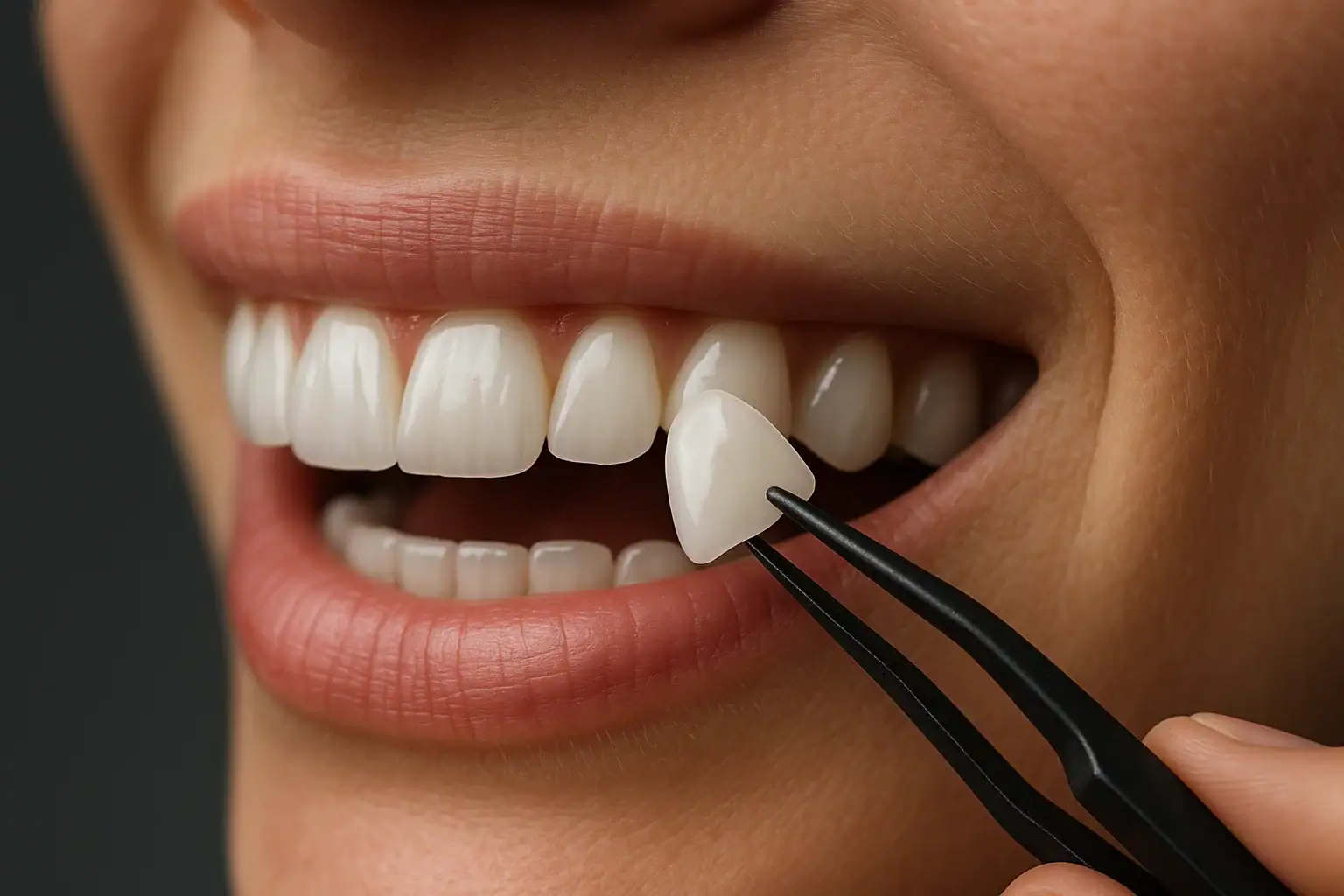
Dental veneers are thin, custom-made shells that are bonded to the front surface of the teeth. They are often made from porcelain or composite resin and are designed to improve the visible appearance of the smile.
Porcelain veneers are commonly chosen because they can closely mimic the look of natural tooth enamel. They reflect light in a way that helps the smile look bright, realistic, and polished. Composite veneers may be a more affordable option in some cases, but porcelain veneers often provide stronger stain resistance and a more lifelike appearance.
Veneers can improve several cosmetic concerns, including:
• Stained or discolored teeth
• Chipped teeth
• Worn edges
• Uneven tooth shapes
• Small gaps between teeth
• Teeth that look too small
• Mild misalignment
• Old bonding or cosmetic restorations
• Smile asymmetry
Unlike crowns, which cover the entire tooth, veneers cover mainly the front visible surface. In many cases, only a small amount of enamel is removed before placement. This makes veneers a more conservative cosmetic option for the right patient.
Many patients choose veneers because they can address several smile concerns at once. Whitening may brighten teeth, but it cannot change tooth shape. Invisalign may improve alignment, but it does not correct chips, worn edges, or deep discoloration. Bonding can repair small imperfections, but it may not offer the same long-term polish or stain resistance as porcelain.
Veneers can help create a more complete smile transformation.
Patients may choose veneers to:
• Improve tooth color and brightness
• Create a more even smile
• Correct minor chips or worn edges
• Close small spaces
• Improve tooth shape and proportion
• Refresh old cosmetic dental work
• Create a fuller, more balanced smile
• Boost confidence in photos and daily life
The goal is not simply to make teeth look “perfect.” The best veneer results are designed to fit the patient’s face, lips, gumline, bite, and personality.
This is one of the most common myths about veneers. Many people worry that veneers will look too white, too bulky, or too obvious.
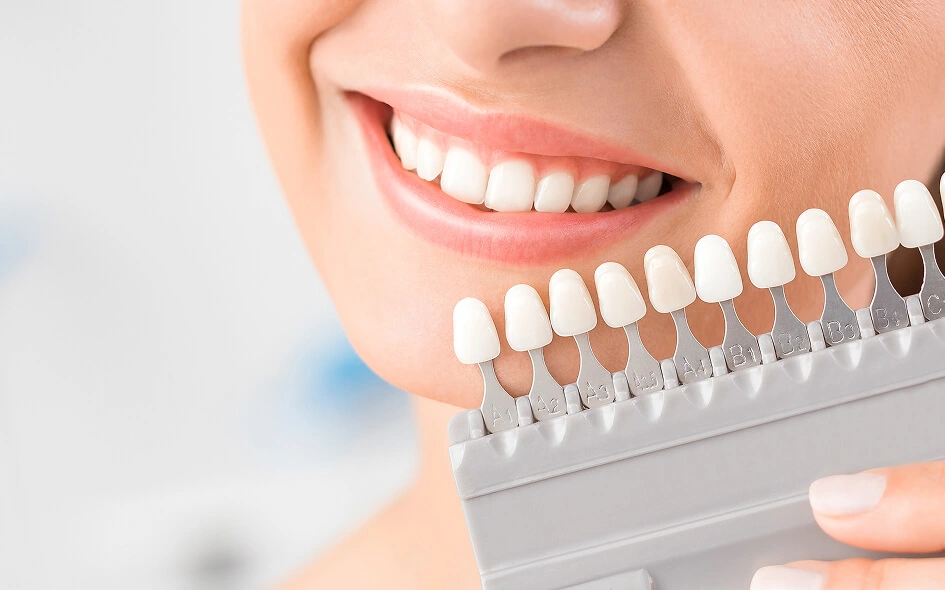
The truth is that modern porcelain veneers can look very natural when they are properly designed. A natural-looking veneer result depends on many details, including tooth shape, shade, translucency, length, surface texture, and smile balance.
A well-planned veneer should not look like a flat white block. It should reflect light like natural enamel and blend with the patient’s facial features.
Dr. Olivia Moran designs veneers around each patient’s smile goals and natural features. The goal is to create a smile that looks polished, balanced, and personal, not artificial.
Many patients assume veneers require a large amount of tooth structure to be removed. In reality, veneer preparation is often conservative.
Traditional porcelain veneers usually require only a thin layer of enamel to be removed from the front surface of the tooth. This allows the veneer to fit naturally without looking bulky. In some cases, minimal-prep or no-prep veneers may be possible, depending on the patient’s teeth, bite, and cosmetic goals.
The amount of preparation needed depends on several factors, including:
• Tooth position
• Existing tooth shape
• Desired shade change
• Smile design goals
• Bite function
• Current enamel condition
Dr. Olivia Moran evaluates each case carefully and aims to preserve healthy tooth structure whenever possible.
Veneers are primarily considered a cosmetic treatment, but they can also support function in certain cases. While they are not meant to replace full restorative care when a tooth is badly damaged, veneers can help reinforce and protect the visible surface of teeth with minor chips, worn edges, or enamel defects.
Veneers may also help improve the appearance of mild alignment concerns. For example, they can make slightly uneven teeth look more balanced or close small spaces between teeth.
However, veneers are not the right solution for every dental issue. If a patient has severe crowding, bite problems, active gum disease, untreated cavities, or heavy grinding, those concerns may need to be addressed before veneers are placed.
A consultation helps determine whether veneers can safely and effectively meet both cosmetic and functional goals.
Veneers are a long-term cosmetic treatment, but they are not impossible to replace. Most porcelain veneers last many years, and when they eventually wear, chip, or no longer fit the smile, they can be replaced.
That said, veneers should be treated as a serious long-term decision. Because a small amount of enamel is often removed, the treated teeth will usually need veneers or another restoration going forward.
This is why planning matters. Patients should understand the process, benefits, limitations, and long-term care before moving forward.
Dr. Olivia Moran takes time to explain what to expect so patients can make informed decisions about their smile.
Veneers do not require a complicated care routine, but they do require consistent care.
Porcelain itself cannot get cavities, but the natural tooth underneath still can. Plaque can build up along the veneer margins near the gumline, increasing the risk of decay, gum irritation, and bad breath if oral hygiene is ignored.
To care for veneers:
• Brush twice daily
• Floss every day
• Use a soft-bristled toothbrush
• Choose non-abrasive toothpaste
• Avoid chewing ice or hard objects
• Do not use your teeth as tools
• Wear a night guard if you grind your teeth
• Keep regular dental cleanings and exams
With good habits, veneers can stay attractive and functional for many years.
Many patients worry that getting veneers will be painful. In most cases, the process is very manageable.
If tooth preparation is needed, local anesthesia may be used to keep you comfortable. Some patients may feel mild sensitivity after preparation or after the final veneers are placed, but this is usually temporary.
The veneer process is planned to be as comfortable as possible. Dr. Olivia Moran will explain each step before treatment so you know what to expect.
Porcelain veneers are highly stain-resistant compared with natural enamel. Coffee, tea, wine, and dark foods are less likely to stain porcelain than natural teeth.
However, this does not mean veneers are completely maintenance-free. The surrounding natural teeth can still stain over time, which may create a color difference. The bonding edges also need to be kept clean.
Regular cleanings, good home care, and smart habits can help keep your smile looking bright and even.
Veneers and crowns are different treatments.
A veneer covers the front surface of the tooth and is usually used for cosmetic improvements. A crown covers the entire tooth and is often used when a tooth needs more protection due to damage, decay, cracking, or weakness.
Veneers may be recommended when the tooth is generally healthy but the appearance needs improvement. Crowns may be recommended when the tooth needs more structural support.
Dr. Olivia Moran can help you understand which option is better for your tooth, bite, and smile goals.
Veneers may be a good choice if you want to improve the appearance of your smile and have healthy teeth and gums.
You may be a candidate if you want to improve:
• Tooth color
• Tooth shape
• Tooth size
• Tooth length
• Mild spacing
• Minor chips
• Worn edges
• Smile balance
• Old cosmetic bonding
Veneers may not be the first step if you have untreated cavities, gum disease, severe bite problems, or uncontrolled teeth grinding. In those cases, other treatment may be needed first.
A consultation is the best way to decide whether veneers are the right choice.
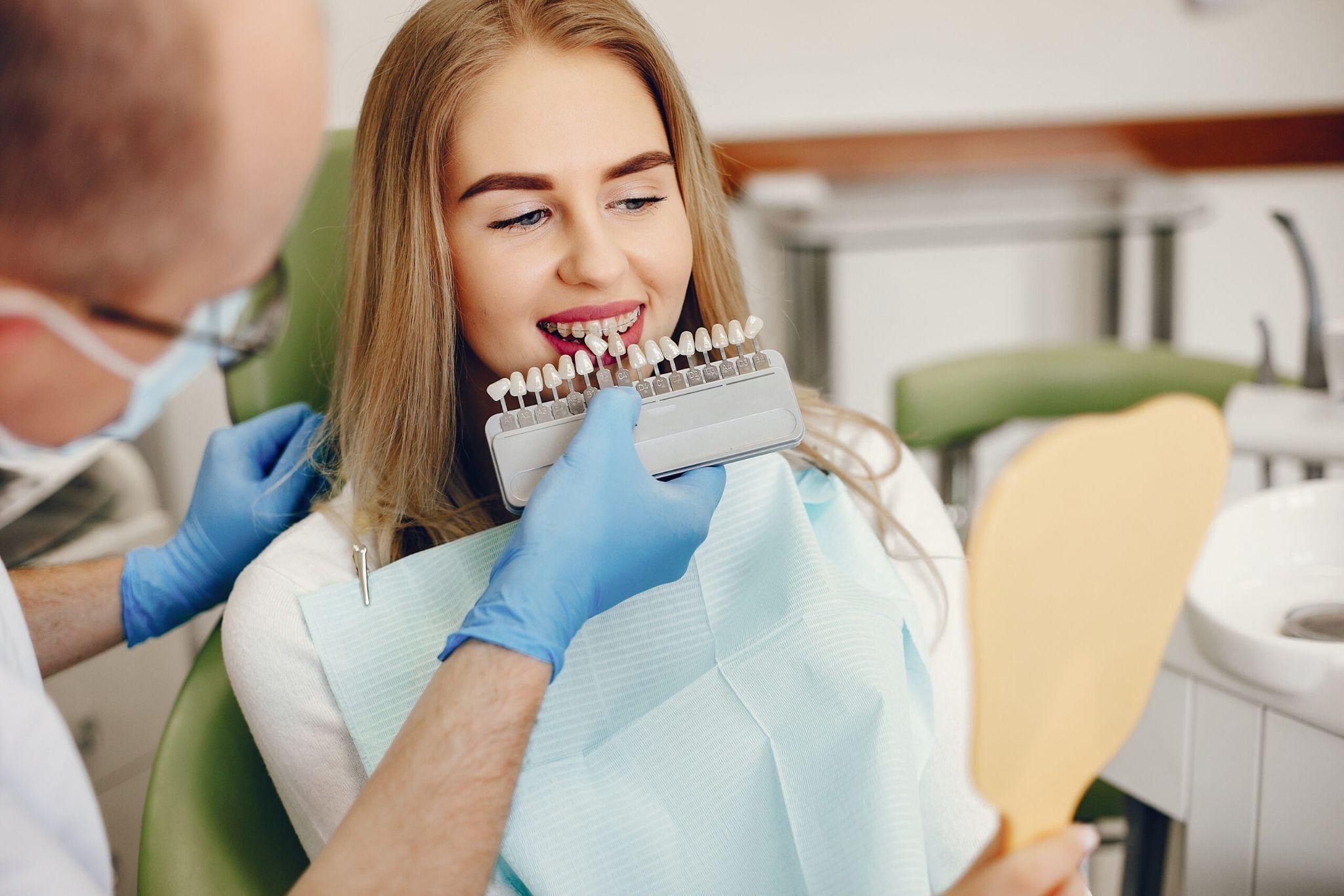
Veneer treatment is both artistic and technical. The final result depends on more than the porcelain itself. It depends on careful planning, tooth preparation, shade selection, bite design, gum health, and how well the veneers fit the patient’s face.
Dr. Olivia Moran, DDS provides dental veneers in San Francisco with a personalized approach. She considers tooth shape, smile width, gumline, lip movement, facial balance, bite function, and the patient’s cosmetic goals.
The goal is to create veneers that look natural, feel comfortable, and support long-term oral health.
Dental veneers can be a beautiful and effective way to transform your smile, but it is important to separate myths from facts. Modern veneers can look natural, require conservative preparation in many cases, and last for years with proper care.
They are not the right solution for every patient, but for the right candidate, veneers can improve tooth color, shape, size, symmetry, and confidence.
If you are considering dental veneers in San Francisco, Dr. Olivia Moran can help you understand your options and create a treatment plan designed around your smile. Call (415) 404-6644 to schedule a consultation.
.jpg)

Dr. Olivia Moran was born in the Philippines and raised across Sri Lanka, Indonesia, Singapore, and Canada before making San Francisco her home. She knew she wanted to become a dentist at just 12 years old and later earned her Doctorate in Dental Surgery from the Arthur A. Dugoni School of Dentistry. One year after graduating, she took a leap of faith and opened her practice during the height of the pandemic.
Since the beginning of her career, Dr. Moran focuses on cosmetic and comprehensive dentistry, including porcelain veneers, smile makeovers, and full-mouth rehabilitations. She has completed thousands of hours of continuing education to keep perfecting her craft and is known for her kindness toward each patient, meticulous attention to detail, and ability to create natural, beautiful smiles that feel personal to each person.
Her international upbringing shaped the way she connects with people, and building real relationships with her patients is one of the parts of dentistry she loves most.