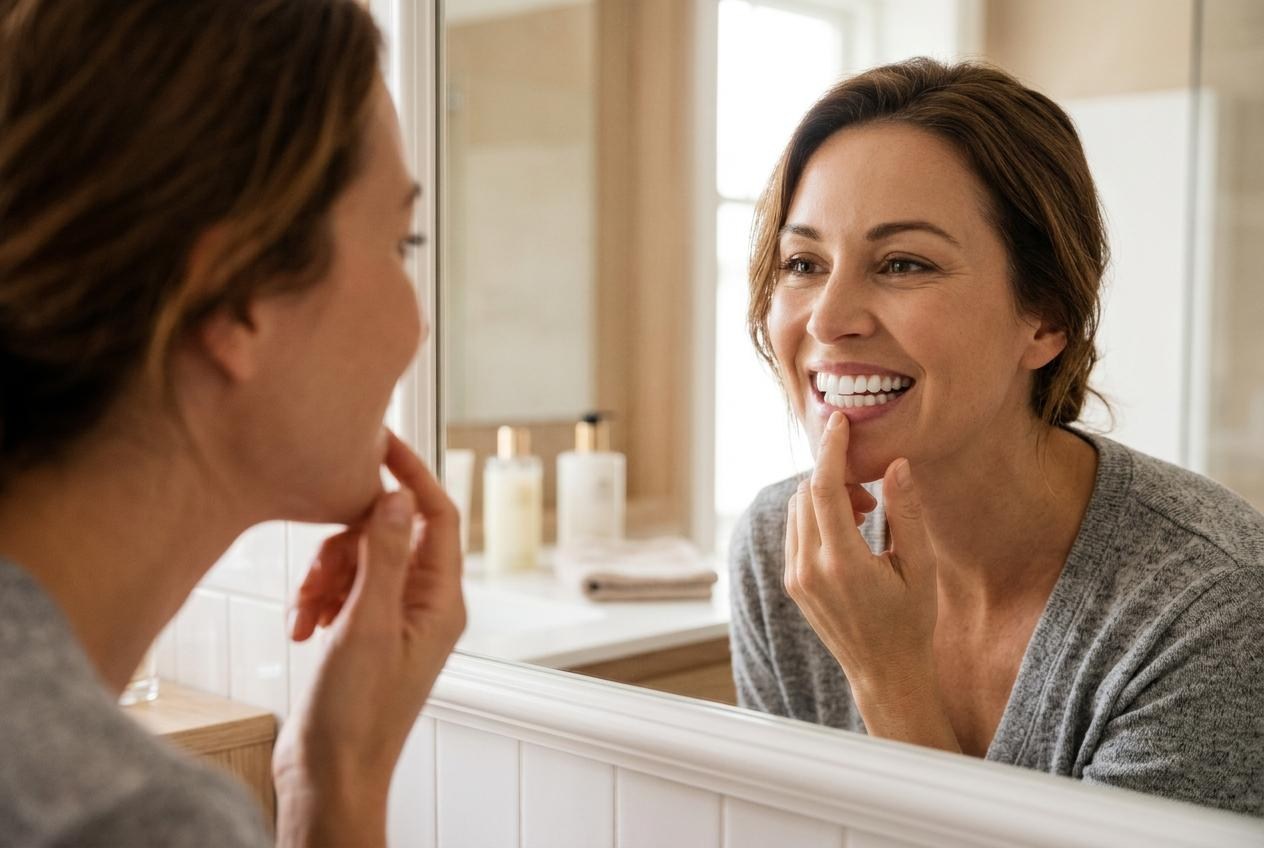

A bright smile can make you feel more confident, but what happens when your teeth no longer look as white as you would like?
If you have porcelain veneers, you may notice that your natural teeth have changed color over time. Maybe the teeth beside your veneers look slightly yellow, or perhaps you are considering whitening your smile before a special occasion.
This can raise an important question: Can you whiten porcelain veneers?
Unlike natural teeth, porcelain veneers do not respond to traditional teeth whitening treatments. Whitening strips, bleaching gels, and professional whitening treatments cannot change their original porcelain shade.
That does not necessarily mean you need to replace your veneers if you are unhappy with their appearance.
Sometimes the issue involves surface stains, changes in the surrounding natural teeth, or discoloration near the edges of a veneer.
Understanding how porcelain responds to whitening can help you choose the right approach without spending money on treatments that may not work.
Porcelain veneers are thin, custom-made restorations bonded to the front surfaces of selected teeth.
They are designed to improve cosmetic concerns such as discoloration, uneven tooth shapes, worn edges, and small gaps.
One of the reasons porcelain is commonly used is its ability to maintain a consistent appearance over time.
However, porcelain behaves differently from natural tooth enamel.
Natural teeth can respond to whitening ingredients such as hydrogen peroxide or carbamide peroxide. These ingredients help break down certain stains within the tooth structure.
Porcelain does not respond to these bleaching agents in the same way.
Once a veneer has been made in a particular shade, traditional whitening products cannot make the porcelain itself lighter.
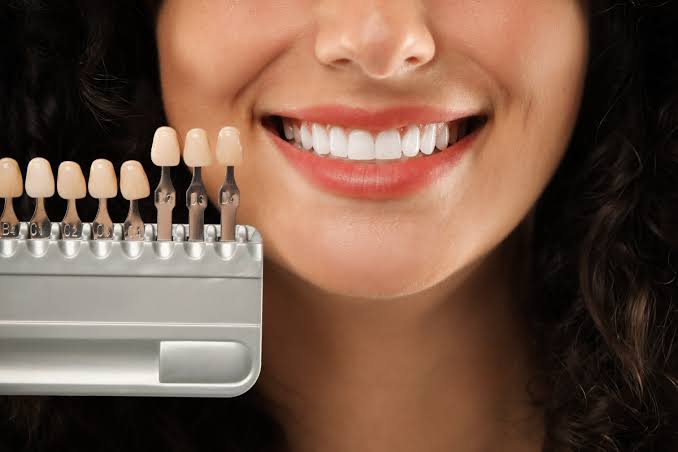
This is why shade selection is an important part of planning porcelain veneers in San Francisco.
The color chosen before treatment will generally remain the veneer's original shade after placement.
Yes. Natural teeth can still be whitened even if you have porcelain veneers.
However, whitening should be planned carefully to avoid creating an uneven appearance.
For example, imagine you have veneers on your two front teeth while the neighboring teeth remain natural.
Over time, those natural teeth may develop discoloration from coffee, tea, aging, or other factors.
Whitening the natural teeth could help bring their color closer to your veneers.
But there is another possibility.
If the natural teeth become significantly lighter than the porcelain, the veneers may suddenly appear darker by comparison.
This is why whitening natural teeth next to veneers should be discussed with your dentist before treatment begins.
A cosmetic dentist can evaluate the existing shades and help determine whether whitening is likely to improve the overall balance of your smile.
Porcelain is resistant to staining, but that does not mean the appearance of your smile will remain exactly the same forever.
Sometimes a veneer may appear yellow or darker even though the porcelain itself has not changed significantly.
There are several possible reasons.
The areas where veneers meet natural teeth can sometimes develop visible discoloration.
Plaque buildup, surface stains, or changes in the bonding material may contribute to the appearance of darker edges.
Natural teeth can gradually darken with age.
If your veneers maintain their original shade while surrounding teeth become darker, the difference may become more noticeable.
Even though porcelain is stain-resistant, plaque and surface deposits can collect on or around dental restorations.
This buildup may make your smile appear less bright.
Professional cleaning can sometimes improve the appearance of veneers when surface deposits are responsible.
In certain situations, changes in the natural tooth or restoration may affect how a veneer looks.
If you notice a sudden color change, a dark line, or new discomfort, a dental examination can help determine the cause.
Not every discolored veneer needs replacement.
Understanding why the color has changed is the first step toward choosing the right treatment.
Whitening strips are designed to lighten natural tooth enamel.
They typically contain bleaching ingredients that help break down certain stains within natural teeth.
However, these ingredients cannot change the original shade of porcelain veneers.
Using whitening strips may lighten the surrounding natural teeth while leaving the veneers unchanged.
As a result, the difference in color between the veneers and natural teeth may become more noticeable.
Whitening strips may also cause temporary tooth sensitivity or gum irritation.
If you have veneers and want a brighter smile, it is better to speak with your dentist before using over-the-counter whitening products.
Whitening toothpaste may help remove some surface stains from natural teeth, but it cannot change the underlying shade of porcelain.
Some whitening toothpastes contain abrasive ingredients that physically remove stains.
While these products may help with certain surface stains, overly abrasive formulas can affect the finish of dental restorations over time.
A gentle fluoride toothpaste is generally a better everyday choice for people with porcelain veneers.
Avoid trying to whiten your veneers with charcoal powders, harsh polishing products, or homemade mixtures.
These methods may cause irritation or unnecessary wear without improving the actual color of the porcelain.
If your veneers look dull or stained, a professional dental cleaning may be more appropriate.
Although porcelain veneers cannot be bleached, there may be ways to improve their appearance.
The right approach depends on the condition of the veneers and the reason they appear discolored.
If surface buildup is making your veneers look dull, professional cleaning may help remove deposits and improve their appearance.
This is often a good starting point before considering additional cosmetic treatment.
In some cases, professional polishing may improve minor surface staining or dullness.
Dentists use materials and techniques appropriate for porcelain restorations.
However, polishing cannot change the original shade of the veneer.
If your natural teeth have become darker than your veneers, professional whitening may help create a closer color match.
The result depends on the existing shades and how your natural teeth respond to treatment.
If you want a significantly lighter shade, replacing the veneers may be an option.
New veneers can be created in a different color and designed to blend with the surrounding teeth.
However, replacing veneers involves additional dental treatment and is not always necessary.
Your dentist can examine the existing restorations and explain whether replacement is appropriate.
If you are planning to get porcelain veneers and also want brighter natural teeth, it is often helpful to discuss whitening before veneer treatment.
This is because porcelain veneers are custom-made to match a selected tooth shade.
Once placed, their original color cannot be changed with bleaching treatments.
If you whiten your natural teeth after your veneers are placed, the surrounding teeth could become lighter than the porcelain.
Whitening beforehand allows your dentist to consider the resulting tooth shade when designing the veneers.
Your dentist may recommend allowing time for the whitening results to stabilize before selecting the final porcelain shade.
For patients exploring porcelain veneers in San Francisco, discussing color preferences early in treatment planning can help create a more consistent appearance.
The goal does not have to be choosing the brightest shade available.
Instead, it may be finding a color that complements your natural teeth and overall smile.
Many people assume that whiter teeth automatically create a better smile.
However, the brightest shade is not necessarily the most natural-looking choice.
Natural teeth have subtle variations in color, texture, and translucency.
Porcelain veneers can be designed to reproduce some of these characteristics.
When choosing a shade, your dentist may consider:
Some patients want a noticeably brighter smile. Others prefer a more subtle improvement.
Both preferences can be considered during treatment planning.
The important part is choosing a shade that fits your individual goals rather than following a single standard for every patient.
Although you cannot whiten the porcelain itself, maintaining good oral hygiene can help preserve the appearance of your veneers.
The same habits that support healthy natural teeth are useful for protecting cosmetic restorations.
Brush twice daily with a soft-bristled toothbrush and gentle fluoride toothpaste.
Floss every day to remove plaque from between the teeth and around the gumline.
If you regularly drink coffee, tea, or red wine, rinsing your mouth with water afterward can help reduce surface buildup.
Avoid smoking and tobacco products, which can contribute to staining and other oral health concerns.
Regular dental examinations and professional cleanings are also important.
Your dentist can examine the veneers, check their edges, and identify any changes that may need attention.
Good care will not change the original color of porcelain, but it can help maintain the overall appearance of your smile.
Discoloration alone does not always mean veneers need to be replaced.
Sometimes the problem is related to staining around the edges or changes in the surrounding natural teeth.
However, replacement may be considered when a veneer is significantly damaged, has problems with its fit, or no longer meets your cosmetic goals.
For example, a patient who originally chose a darker, more natural shade may later want a brighter smile.
If the existing porcelain cannot provide the desired appearance, new veneers may be discussed.
Still, replacing veneers is not a decision to make based on color alone.
The condition of the natural teeth, existing restorations, bite, and long-term dental health should also be considered.
A consultation can help determine whether whitening, cleaning, polishing, or replacement makes the most sense.
If you are considering both teeth whitening and veneers, the order of treatment can influence the final appearance of your smile.
Whitening may be appropriate before veneer placement when the goal is to create a lighter, more consistent tooth shade.
For patients who already have veneers, the approach may be different.
The existing porcelain color, surrounding natural teeth, and condition of the restorations all need to be considered.
Dr. Olivia Moran, DDS takes a personalized approach to cosmetic dentistry, evaluating tooth color, proportions, oral health, bite, and individual smile goals before recommending treatment.
Rather than assuming that every patient needs brighter veneers or additional cosmetic work, the goal is to understand what changes would create a balanced, natural-looking result.
Porcelain veneers can maintain their original shade for many years, but they cannot be whitened with traditional bleaching products.
If your veneers appear darker than you would like, that does not automatically mean they need to be replaced.
Sometimes professional cleaning can improve their appearance. In other situations, whitening the surrounding natural teeth or considering new veneers may be appropriate.
The best solution depends on the condition of your veneers, the color of your natural teeth, and the changes you want to make.
If you are considering veneers for the first time, discussing whitening and shade selection before treatment can help you avoid unexpected color differences later.
For patients exploring dental veneers in San Francisco, a consultation with Dr. Olivia Moran, DDS can help you understand your options and decide which approach fits your smile goals. Learn more about her personalized approach to porcelain veneers in San Francisco and how thoughtful cosmetic treatment planning can support a natural-looking smile.
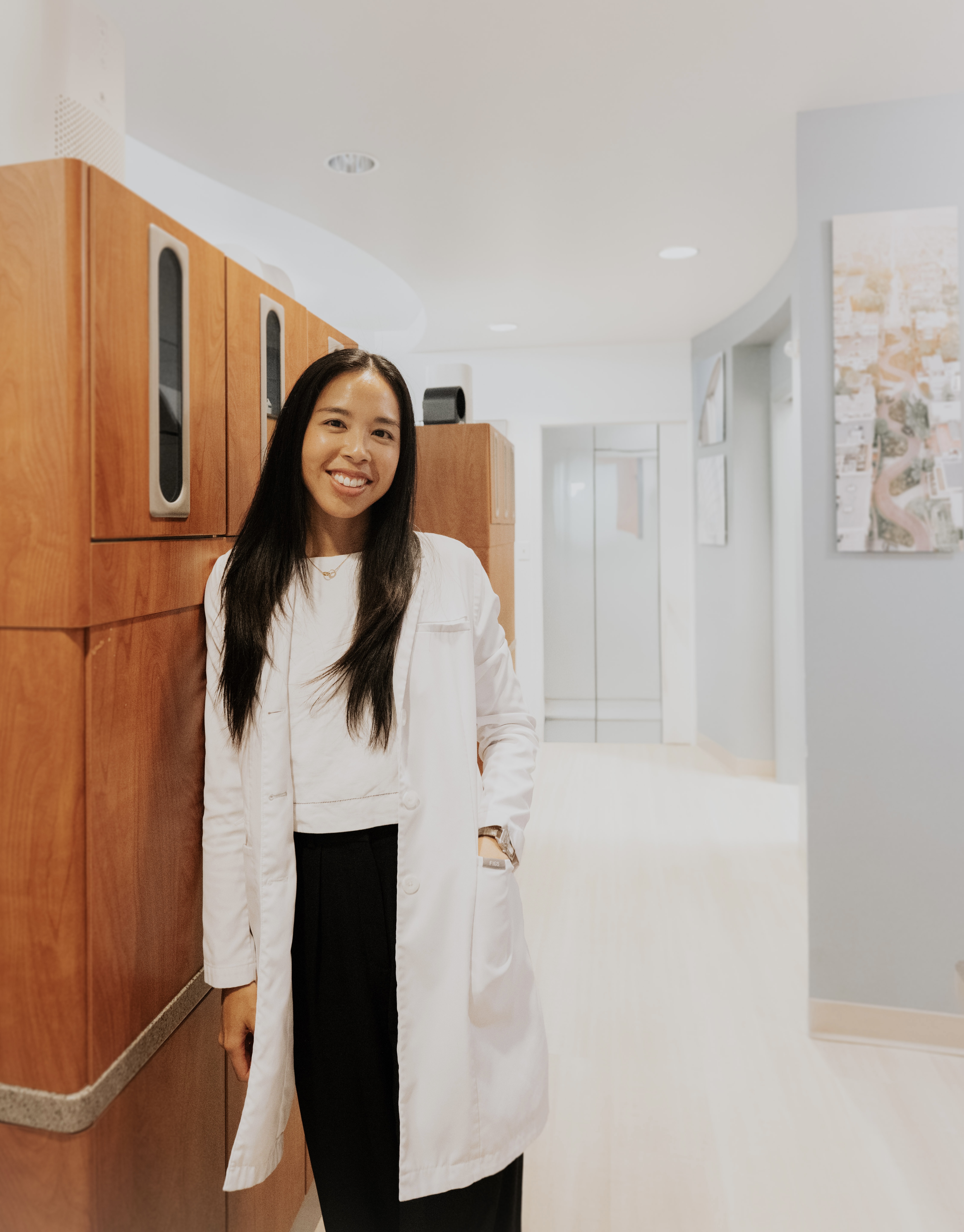
Dr. Olivia Moran was born in the Philippines and raised across Sri Lanka, Indonesia, Singapore, and Canada before making San Francisco her home. She knew she wanted to become a dentist at just 12 years old and later earned her Doctorate in Dental Surgery from the Arthur A. Dugoni School of Dentistry. One year after graduating, she took a leap of faith and opened her practice during the height of the pandemic.
Since the beginning of her career, Dr. Moran focuses on cosmetic and comprehensive dentistry, including porcelain veneers, smile makeovers, and full-mouth rehabilitations. She has completed thousands of hours of continuing education to keep perfecting her craft and is known for her kindness toward each patient, meticulous attention to detail, and ability to create natural, beautiful smiles that feel personal to each person.
Her international upbringing shaped the way she connects with people, and building real relationships with her patients is one of the parts of dentistry she loves most.