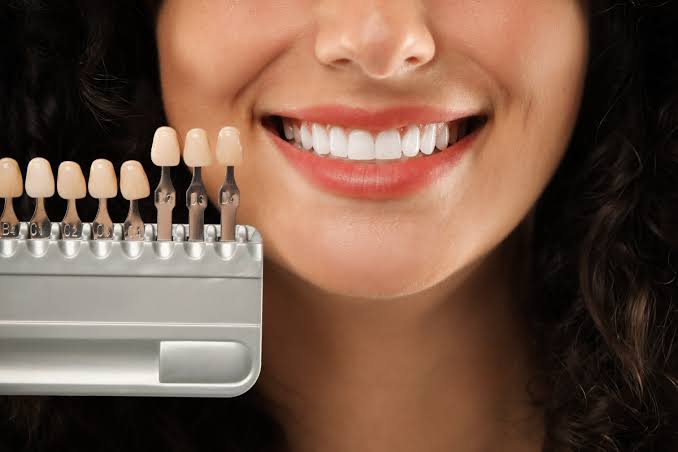
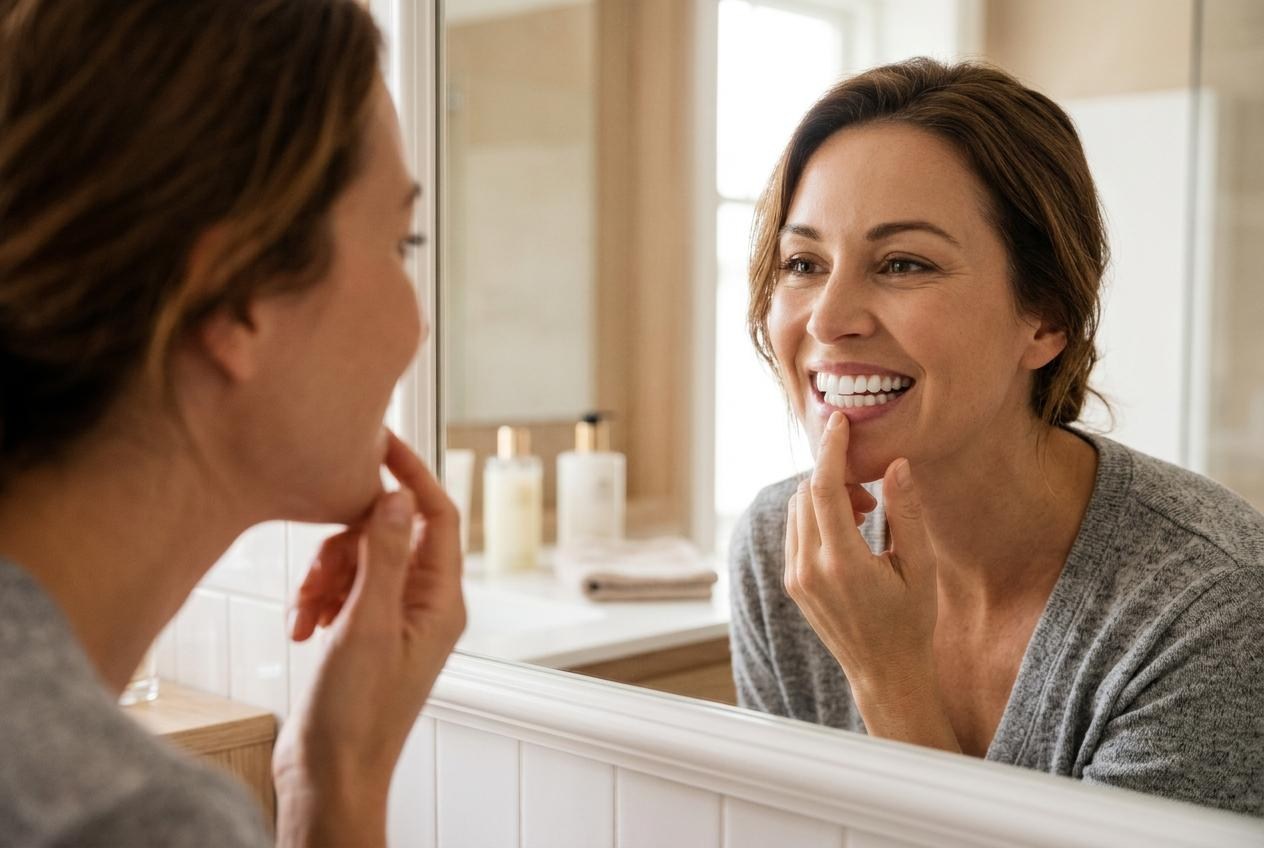
Porcelain veneers can make a noticeable difference in your smile, whether you want to improve the color of your teeth, smooth uneven edges, or correct small cosmetic imperfections. Once your veneers are in place, however, an important question comes up: how do you keep them looking their best?
The good news is that caring for porcelain veneers is not much different from taking care of your natural teeth. You do not need a complicated routine or special cleaning equipment. A few consistent habits can help protect your veneers and maintain the health of the teeth underneath them.
Still, veneers require attention. While porcelain is durable and resistant to stains, the natural teeth and gums surrounding your veneers can develop problems without proper care.
Understanding how to care for porcelain veneers can help you enjoy your smile for years while avoiding habits that may shorten the life of your dental work.
Porcelain veneers are thin, custom-made shells bonded to the front surfaces of teeth. They are commonly used to improve the appearance of chipped, discolored, uneven, or slightly worn teeth.
Although veneers are made from strong dental porcelain, they are not indestructible.
The porcelain itself cannot develop cavities, but the natural tooth underneath it still can. Plaque can also collect around the edges of a veneer, particularly near the gumline.
That is why regular brushing, flossing, and professional dental care remain important after veneer treatment.
Patients who receive porcelain veneers in San Francisco should continue maintaining their oral health just as they would before cosmetic treatment.
The goal is not simply to keep the veneers looking white. It is to protect the entire tooth and the surrounding gums.
Brushing twice a day is one of the easiest ways to care for porcelain veneers.
Use a soft-bristled toothbrush and fluoride toothpaste to gently clean your teeth, including the areas around your veneers.
You can use either a manual or electric toothbrush. What matters most is brushing thoroughly without applying unnecessary pressure.
Pay particular attention to the gumline, where plaque can accumulate.
Brushing too aggressively does not make veneers cleaner. In fact, excessive pressure can irritate the gums and contribute to gum recession.
When cleaning veneers, gentle and consistent brushing is more effective than scrubbing hard.
Not all toothpastes are equally suitable for dental restorations.
Some whitening toothpastes contain abrasive ingredients designed to remove surface stains. While these products may help clean natural teeth, highly abrasive formulas can affect the surface finish of certain restorations over time.
A gentle, low-abrasive fluoride toothpaste is generally a suitable choice.
If you are unsure which toothpaste to use, ask your dentist for a recommendation based on your veneers and oral health needs.
There is usually no reason to purchase expensive products marketed specifically for veneers.
Yes. In fact, flossing with veneers is an important part of maintaining healthy teeth and gums.
Veneers cover the visible front surfaces of selected teeth, but they do not eliminate the spaces between teeth where food particles and plaque collect.
Without regular flossing, plaque can accumulate along the gumline and between the teeth, increasing the risk of gum inflammation and cavities.
Flossing once a day helps clean areas that your toothbrush cannot easily reach.
When flossing around porcelain veneers:
Properly bonded veneers should not loosen from normal, gentle flossing.
If floss repeatedly catches or shreds around a veneer, it is worth having your dentist examine the area.
One of the benefits of porcelain veneers is that they are designed to function as part of your everyday smile.
After your permanent veneers have been placed and your dentist confirms that your bite is comfortable, you can generally return to your normal eating habits.
However, certain foods and habits can place unnecessary pressure on porcelain restorations.
Biting directly into extremely hard foods, such as ice or hard candy, can increase the risk of chipping or cracking a veneer.
You do not need to avoid every crunchy food, but it makes sense to be cautious.
For example, cutting very hard foods into smaller pieces may reduce pressure on your front teeth.
Opening packages, biting fingernails, chewing pens, or tearing objects with your teeth can damage both veneers and natural teeth.
These habits may seem harmless, but repeated pressure can weaken or damage dental restorations.
Some people grind or clench their teeth during sleep without realizing it.
This habit, known as bruxism, can place significant force on veneers.
If you have a history of teeth grinding, your dentist may recommend a custom night guard to help protect your teeth while sleeping.
Porcelain is generally more resistant to staining than natural tooth enamel.
That is one reason veneers can maintain their original appearance for many years.
However, stain resistance does not mean your entire smile is immune to discoloration.
Coffee, tea, red wine, and tobacco may contribute to surface buildup or staining around the edges of veneers. Your surrounding natural teeth may also gradually change color.
You do not necessarily need to give up your morning coffee.
Rinsing your mouth with water after drinking staining beverages and maintaining good oral hygiene can help reduce buildup.
Regular professional cleanings are also helpful for keeping your veneers and natural teeth looking clean.
If you notice discoloration around a veneer, avoid attempting to remove it with harsh whitening products or abrasive home remedies.
A dentist can determine whether the discoloration is caused by surface deposits, bonding material, or another concern.
It can be tempting to assume that once your veneers are placed, the treated teeth need less attention.
In reality, regular dental visits remain just as important.
During a routine examination, your dentist can evaluate the condition of your veneers and check the health of your natural teeth and gums.
Your dentist may look for:
Professional dental cleanings also remove plaque and hardened deposits that cannot be completely removed through brushing and flossing at home.
For patients receiving veneer care in San Francisco, continuing routine dental visits can help identify small concerns before they become more serious.
Your dentist will recommend an appointment schedule based on your individual oral health.
Porcelain veneers often last 10 to 15 years, and some may last longer with appropriate care.
However, their lifespan varies from person to person.
Factors that can influence how long veneers last include:
Even with excellent care, veneers may eventually need repair or replacement.
They are durable restorations, but they are not permanent.
The important thing is to maintain good oral health and address problems when they first appear.
Porcelain veneers should generally feel comfortable and blend naturally with your teeth.
If something changes, it is worth having your dentist take a look.
Common signs that a veneer may need attention include:
Not every concern means the veneer needs to be replaced.
Depending on the problem, your dentist may be able to address the issue without replacing the restoration.
However, trying to repair or reattach a veneer yourself can cause further damage.
Yes. This is one of the most important reasons to maintain regular dental care after getting veneers.
Although porcelain cannot decay, the natural tooth structure underneath and around a veneer remains vulnerable to cavities.
If plaque accumulates near the edges of a veneer, bacteria can contribute to tooth decay and gum disease.
Over time, untreated problems may affect the health of the tooth supporting the restoration.
This is why porcelain veneer maintenance involves more than keeping your teeth looking clean.
Healthy gums and natural teeth provide the foundation for a healthy smile.
The best approach is to maintain your veneers rather than constantly trying to improve their appearance with whitening or polishing products.
Porcelain veneers are designed with a particular shape, color, and surface finish.
A simple routine can help preserve their appearance:
These habits are useful whether you have one veneer or several veneers as part of a larger smile makeover.
If you are considering porcelain veneers in San Francisco, understanding their long-term care is an important part of deciding whether they are right for you.
Veneers can improve the appearance of your smile, but their success also depends on the health of the natural teeth and gums supporting them.
Dr. Olivia Moran, DDS takes a personalized approach to cosmetic and comprehensive dentistry, considering factors such as tooth structure, bite, oral health, and individual smile goals.
Whether you already have veneers or are exploring treatment for the first time, discussing maintenance during your dental consultation can help you understand what to expect.
Taking care of porcelain veneers does not require a complicated routine.
The most important habits are often the simplest: brushing gently, flossing every day, attending routine dental visits, and avoiding unnecessary pressure on your teeth.
Porcelain veneers are designed to become part of your everyday smile, but the natural teeth and gums around them still need consistent care.
Good maintenance is not only about preserving the appearance of your veneers. It is also about protecting your overall oral health.
If you are considering dental veneers in San Francisco, a consultation with Dr. Olivia Moran, DDS can help you understand the treatment process, daily care, and long-term maintenance involved. Learn more about her approach to porcelain veneers in San Francisco and whether they may be appropriate for your smile.
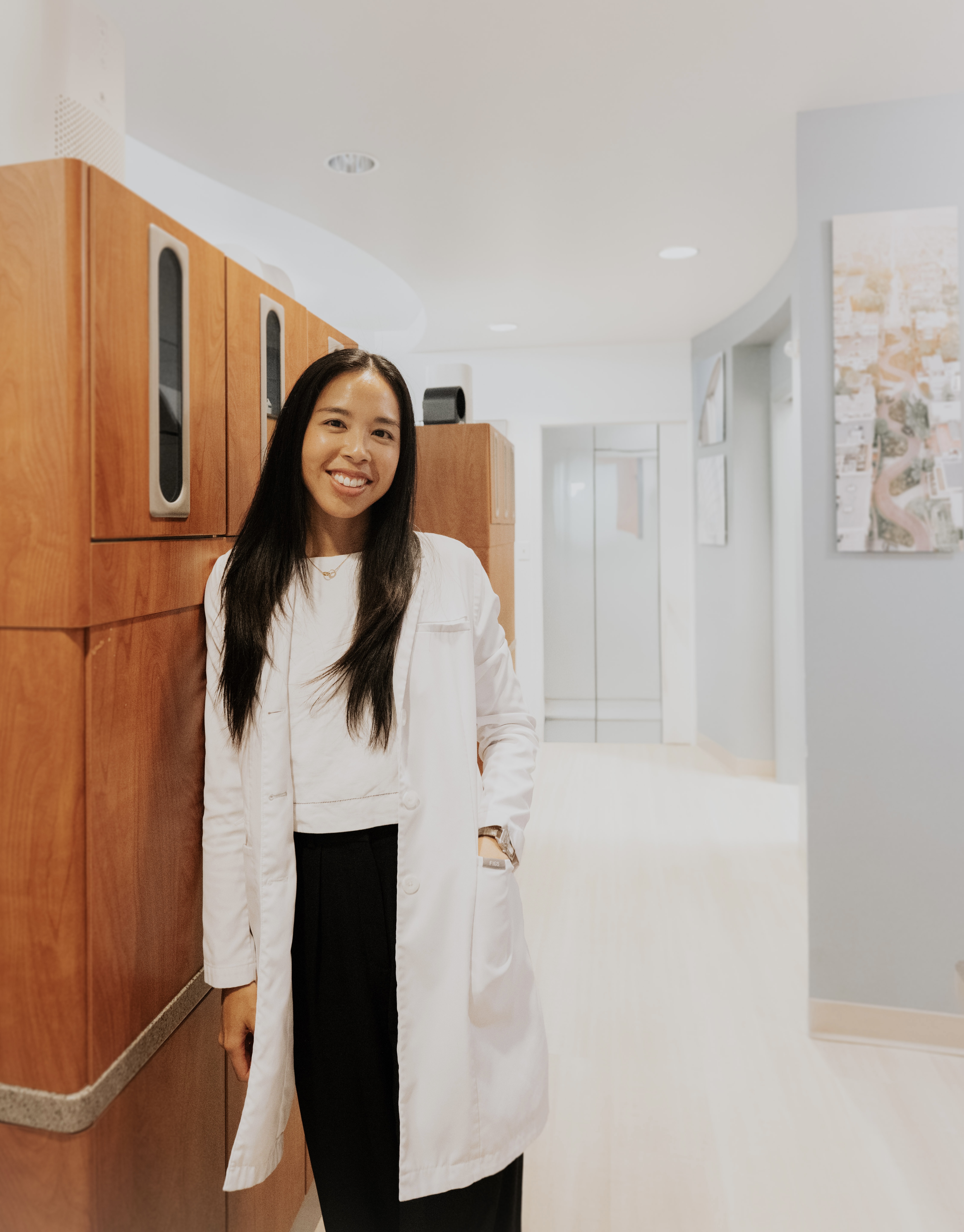
Dr. Olivia Moran was born in the Philippines and raised across Sri Lanka, Indonesia, Singapore, and Canada before making San Francisco her home. She knew she wanted to become a dentist at just 12 years old and later earned her Doctorate in Dental Surgery from the Arthur A. Dugoni School of Dentistry. One year after graduating, she took a leap of faith and opened her practice during the height of the pandemic.
Since the beginning of her career, Dr. Moran focuses on cosmetic and comprehensive dentistry, including porcelain veneers, smile makeovers, and full-mouth rehabilitations. She has completed thousands of hours of continuing education to keep perfecting her craft and is known for her kindness toward each patient, meticulous attention to detail, and ability to create natural, beautiful smiles that feel personal to each person.
Her international upbringing shaped the way she connects with people, and building real relationships with her patients is one of the parts of dentistry she loves most.