Menu
A confident smile can change the way you feel in photos, conversations, meetings, and everyday life. If you feel self-conscious about chipped, stained, uneven, worn, or slightly gapped teeth, dental veneers may be one of the cosmetic dentistry options worth considering.
Veneers are popular because they can create a brighter, more balanced, and natural-looking smile. They can improve tooth shape, color, size, symmetry, and overall appearance. But like any dental treatment, veneers are not right for everyone. Before moving forward, it is important to understand both the benefits and the possible drawbacks.
Olivia Moran, DDS provides porcelain veneers in San Francisco that are custom designed to look natural, beautiful, and personalized to each patient’s face, goals, and smile. Veneers can help improve chips, stains, gaps, worn teeth, and other cosmetic concerns while creating a smile that still feels authentic.
In this blog, we explain what veneers are, how they work, the pros and cons of dental veneers, who may be a good candidate, and what to consider before choosing this smile makeover treatment.

What Are Dental Veneers?
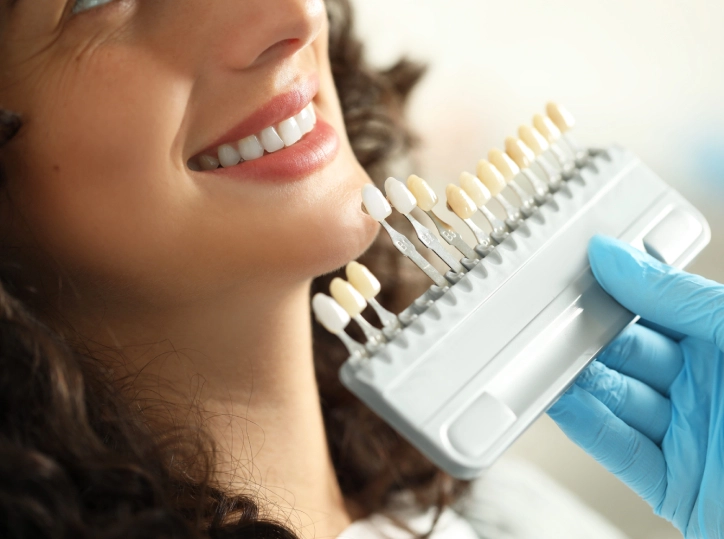
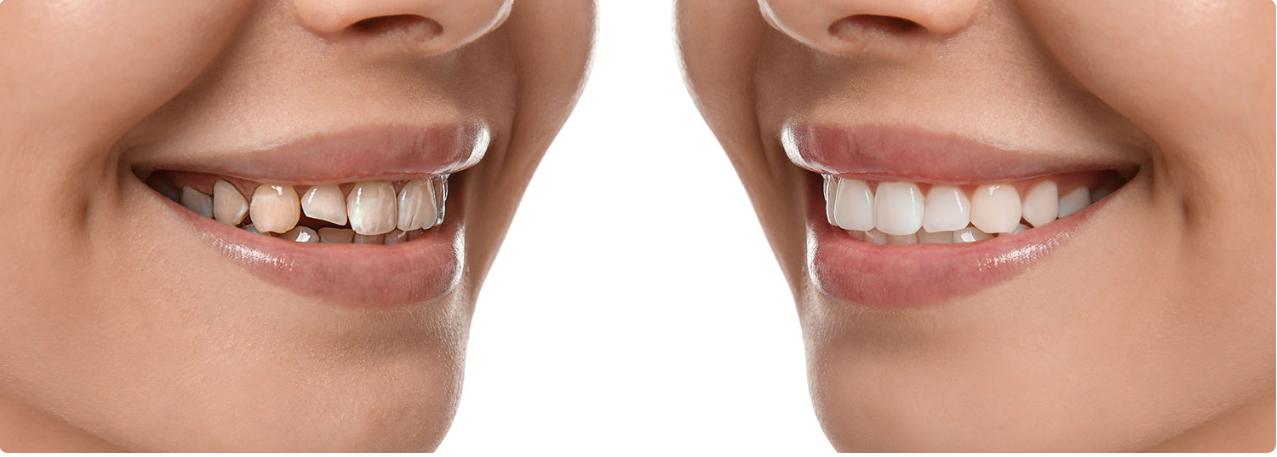
Dental veneers are thin shells that are bonded to the front surface of teeth. They are designed to improve the appearance of the smile by covering visible imperfections. Veneers are commonly made from porcelain or composite resin, though porcelain veneers are often chosen for their natural appearance, durability, and stain resistance.
Porcelain veneers are ultra-thin shells bonded to the front surface of teeth, designed to fix imperfections while still looking completely natural.
Veneers may help improve:
A veneer does not replace the whole tooth. Instead, it covers the visible front portion of the tooth. Because veneers are custom made, they can be designed to match your face, lips, smile line, and personal goals.
Before choosing veneers, it helps to understand the difference between porcelain and composite.
Porcelain veneers are custom-made restorations created in a dental lab. They are known for their natural look, strength, and stain resistance. They usually require more planning and may involve removing a small amount of enamel.
Composite veneers are made from tooth-colored resin applied directly to the teeth. They may cost less and can often be completed faster, but they may not last as long or resist stains as well as porcelain.
Both options can improve your smile, but the right choice depends on your goals, budget, oral health, and the level of change you want.
Veneers offer several benefits for patients who want a more confident smile. Here are some of the biggest advantages.
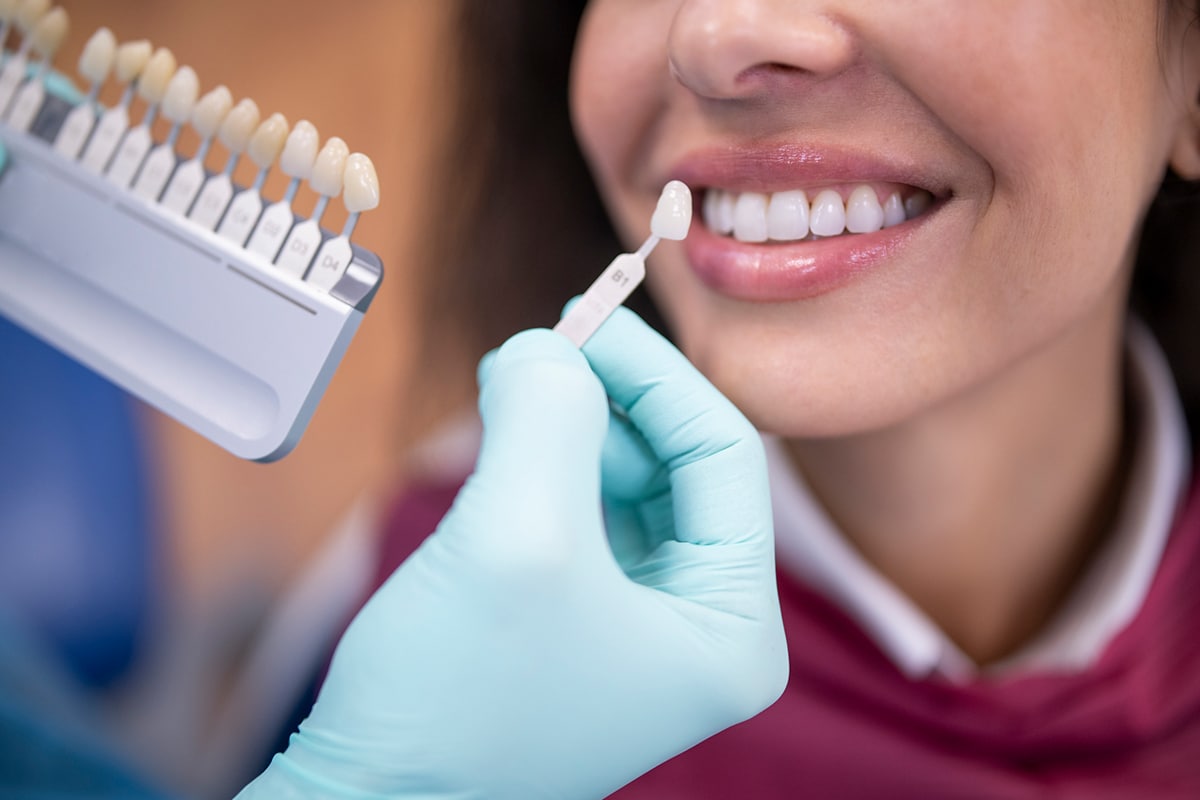
One of the biggest benefits of veneers is that they can look very natural when designed carefully. Modern porcelain veneers are not meant to look fake, bulky, or overly white. They can be customized to fit your facial features, tooth proportions, and desired smile style.
A natural-looking veneer design considers:
The goal is not simply to make teeth white. The goal is to create a balanced smile that fits you.
Veneers are versatile. Instead of treating each cosmetic concern separately, veneers can address several issues in one treatment plan.
For example, a patient may have stained teeth, small chips, uneven edges, and minor gaps. Veneers can improve all of these concerns at the same time.
Veneers may be helpful for patients who want to improve:
This makes veneers a strong option for patients who want a more complete smile transformation.
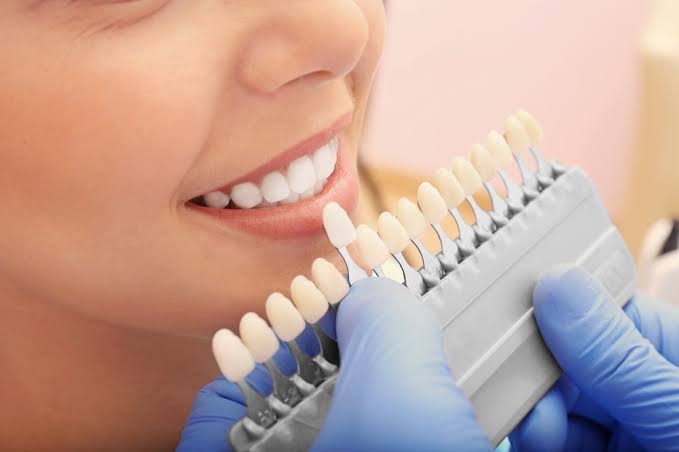
Porcelain veneers are known for being more stain resistant than natural enamel. This means they can help maintain a brighter smile over time, especially compared with teeth that stain easily from coffee, tea, red wine, or certain foods.
That does not mean veneers cannot ever discolor around the edges or that oral hygiene no longer matters. You still need to brush, floss, and schedule regular dental cleanings. But porcelain is less porous than natural teeth, which helps veneers stay bright with proper care.
Many people choose veneers because they want to feel better about their smile. If you avoid smiling in photos, cover your mouth when laughing, or feel nervous about your teeth in social settings, veneers may help improve confidence.
A more balanced smile can make a difference in both personal and professional life. Patients often feel more comfortable speaking, smiling, and showing their teeth after cosmetic treatment.
Confidence is not only about appearance. It is also about feeling like your smile reflects who you are.
Veneers are not one-size-fits-all. A strong veneer treatment plan should be personalized to the patient’s oral health, facial features, bite, smile goals, and preferences.
Customization may include:
This personalized process helps create a result that looks intentional and balanced.
Porcelain veneers can last many years when they are designed well, bonded properly, and cared for consistently. Their lifespan depends on oral hygiene, bite habits, grinding, diet, and regular dental visits.
Patients can help protect veneers by:
Veneers are durable, but they still need care. Treating them like natural teeth helps protect the investment.
Veneers can offer major smile improvements, but they also have limitations. Understanding the possible drawbacks helps you make an informed decision.
One of the most important things to know is that porcelain veneers are usually permanent. In many cases, a small amount of enamel is removed to make room for the veneers and create a natural fit. Once enamel is removed, it does not grow back.
This means veneers are a long-term commitment. You may need to replace them in the future if they wear, chip, loosen, or reach the end of their lifespan.
Before choosing veneers, make sure you understand the process, the maintenance, and the long-term responsibility.
Veneers are a cosmetic dental treatment, and cost can vary based on the number of veneers, material, case complexity, dentist training, lab quality, and whether additional dental work is needed.
Porcelain veneers in San Francisco may range widely, and pricing can depend on materials, customization, complexity, and the number of teeth treated.
Because veneers are often considered cosmetic, insurance may not cover them. Patients should ask about pricing, financing, and payment options before beginning treatment.
The cost may be higher upfront than other cosmetic options, but many patients choose veneers because of the appearance, durability, and long-term value.
Veneers are cosmetic restorations. They can improve how teeth look, but they are not a solution for every dental issue.
Before veneers, your dentist may need to address:
Some patients first need oral health treatment, gum care, Invisalign, bite correction, implants, crowns, or other dental work before veneers are completed.
A healthy foundation is important. Veneers look and function best when the teeth, gums, and bite are stable.
Although porcelain veneers are strong, they are not indestructible. They can chip, crack, or loosen if exposed to too much pressure.
Habits that can damage veneers include:
If you grind your teeth, your dentist may recommend a nightguard to help protect your veneers.
Some patients experience temporary sensitivity after veneer preparation. This can happen because the teeth are adjusted before veneers are placed.
Sensitivity may be triggered by cold drinks, hot foods, sweets, or air. For many patients, this improves after the final veneers are bonded. However, it is still important to discuss sensitivity risk with your dentist before treatment.
If you already have sensitive teeth, gum recession, or enamel wear, your dentist should evaluate whether veneers are the right option.
Veneers are long-lasting, but they are not lifetime-proof. Over time, they may need repair or replacement. Gum changes, bite changes, wear, trauma, or normal aging can affect how veneers look and fit.
To keep veneers looking their best, patients should maintain regular dental visits and follow care instructions.
Veneers may need attention if you notice:
Good maintenance helps extend the life of your veneers and protect your natural teeth.
Dental veneers may be a good option for patients who want to improve the appearance of healthy teeth. The best candidates usually have good gum health, enough enamel, realistic expectations, and a commitment to oral hygiene.
You may be a candidate for veneers if you have:
You may need other treatment before veneers if you have untreated decay, gum disease, severe bite problems, active teeth grinding, or significant tooth damage.
The veneer process usually begins with a consultation. Your dentist will examine your teeth, gums, bite, and smile goals. Photos, scans, or impressions may be taken to help design your smile.
A typical veneer process may include:
The exact process depends on your case and treatment plan.
Veneers are not the only way to improve a smile. Depending on your goals, other treatments may be more appropriate.
Teeth whitening may be best for patients who like their tooth shape but want a brighter smile.
Invisalign may be better for patients whose main concern is crooked teeth, crowding, or bite alignment.
Bonding may help with smaller chips or minor cosmetic changes.
Crowns may be needed when teeth are more damaged and need full coverage.
Gum lift treatment may help if the main concern is excess gum tissue or an uneven gumline.
A cosmetic consultation can help determine whether veneers are the best choice or whether another treatment would better fit your needs.
Caring for veneers is similar to caring for natural teeth. You should brush, floss, and visit your dentist regularly. Good gum health is especially important because the gumline affects how veneers look over time.
To care for veneers:
Veneers can stay beautiful longer when they are protected from unnecessary pressure and maintained with good daily habits.
Dental veneers should look natural, feel comfortable, and match your personal smile goals. Olivia Moran, DDS carefully evaluates your teeth, gums, bite, facial features, tooth shape, shade preferences, and cosmetic concerns before designing your veneer treatment plan.
This detailed approach helps ensure your veneers improve chips, stains, gaps, worn edges, uneven teeth, or smile imbalance while still looking authentic to you.
From smile design to final placement, patients receive clear communication and personalized care. Whether you want a subtle enhancement or a more complete smile makeover, the goal is to create porcelain veneers that support confidence, comfort, and long-lasting beauty.
Dental veneers can be a powerful way to improve your smile. They can create a brighter, more balanced, natural-looking appearance while correcting chips, stains, gaps, uneven teeth, and worn edges.
However, veneers are also a long-term commitment. They can be costly, usually require enamel preparation, and may need replacement in the future. They also work best when your teeth, gums, and bite are healthy.
The best way to decide is to weigh the pros and cons with a dentist who understands cosmetic design and oral health. If you are interested in dental veneers in San Francisco, schedule a consultation with Olivia Moran, DDS to learn whether veneers are the right option for your smile goals.
.jpg)

Dr. Olivia Moran was born in the Philippines and raised across Sri Lanka, Indonesia, Singapore, and Canada before making San Francisco her home. She knew she wanted to become a dentist at just 12 years old and later earned her Doctorate in Dental Surgery from the Arthur A. Dugoni School of Dentistry. One year after graduating, she took a leap of faith and opened her practice during the height of the pandemic.
Since the beginning of her career, Dr. Moran focuses on cosmetic and comprehensive dentistry, including porcelain veneers, smile makeovers, and full-mouth rehabilitations. She has completed thousands of hours of continuing education to keep perfecting her craft and is known for her kindness toward each patient, meticulous attention to detail, and ability to create natural, beautiful smiles that feel personal to each person.
Her international upbringing shaped the way she connects with people, and building real relationships with her patients is one of the parts of dentistry she loves most.